Author: admin

  • International Training under the Cyber4CA Project Successfully Concludes in Madrid

    International Training under the Cyber4CA Project Successfully Concludes in Madrid

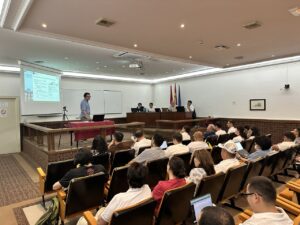
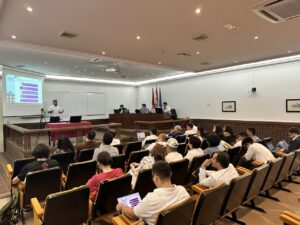
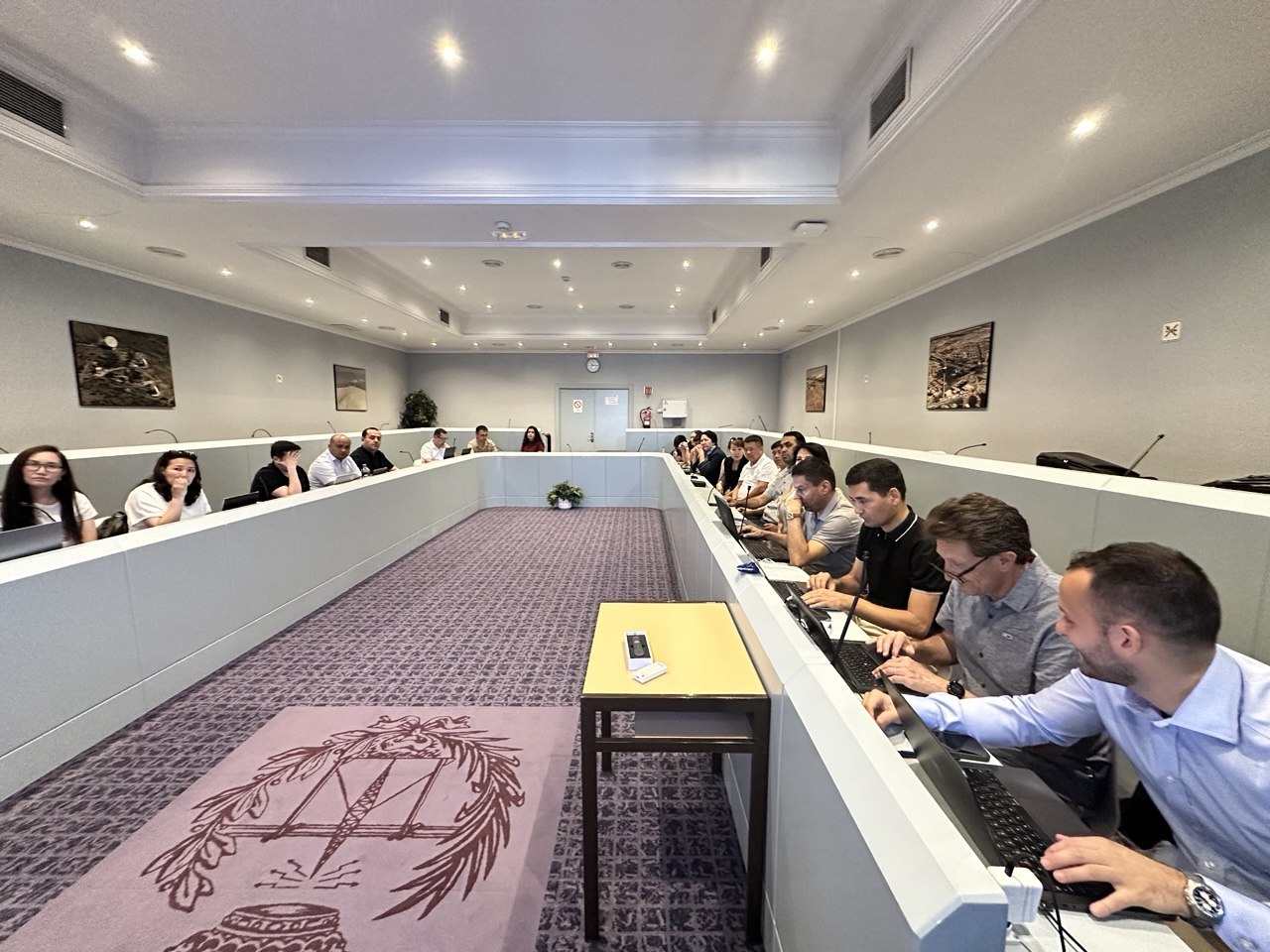
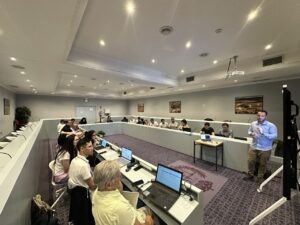
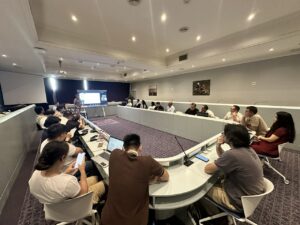
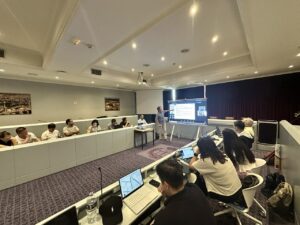
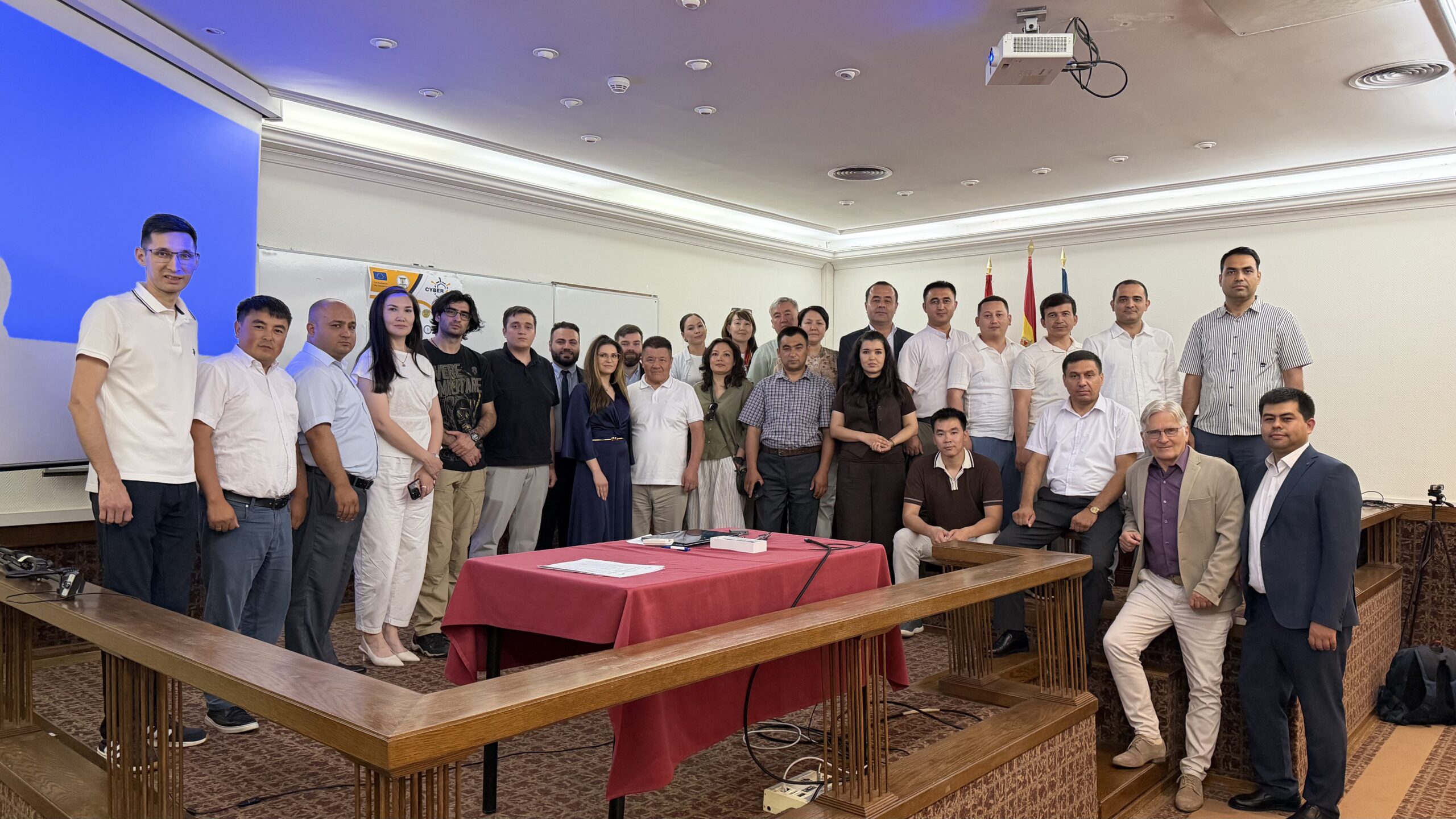
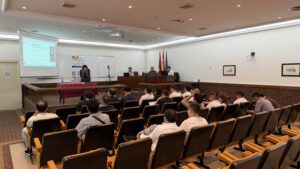
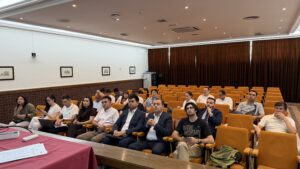
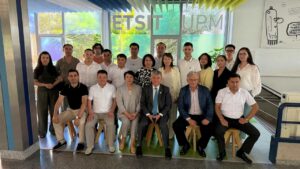
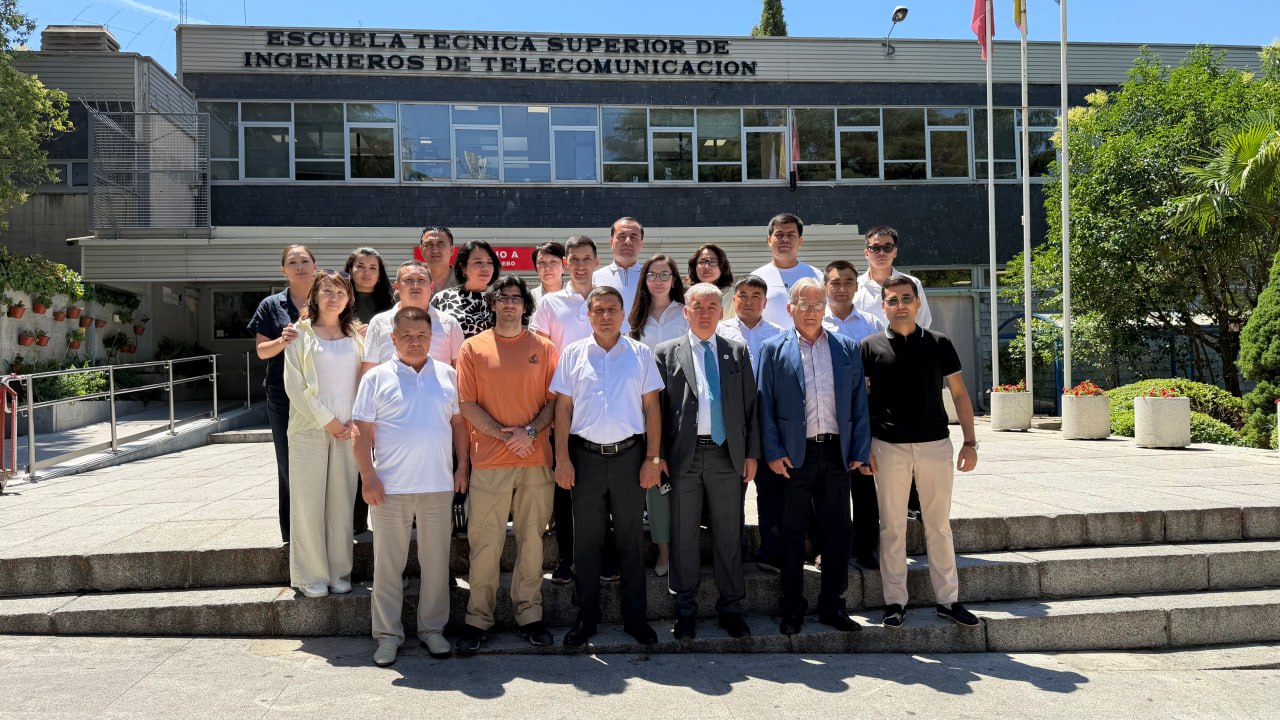
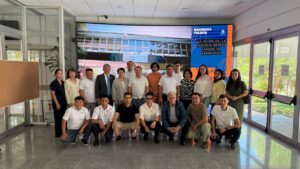
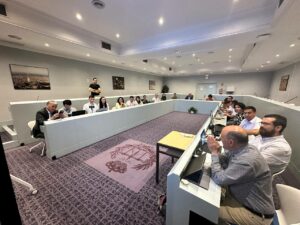
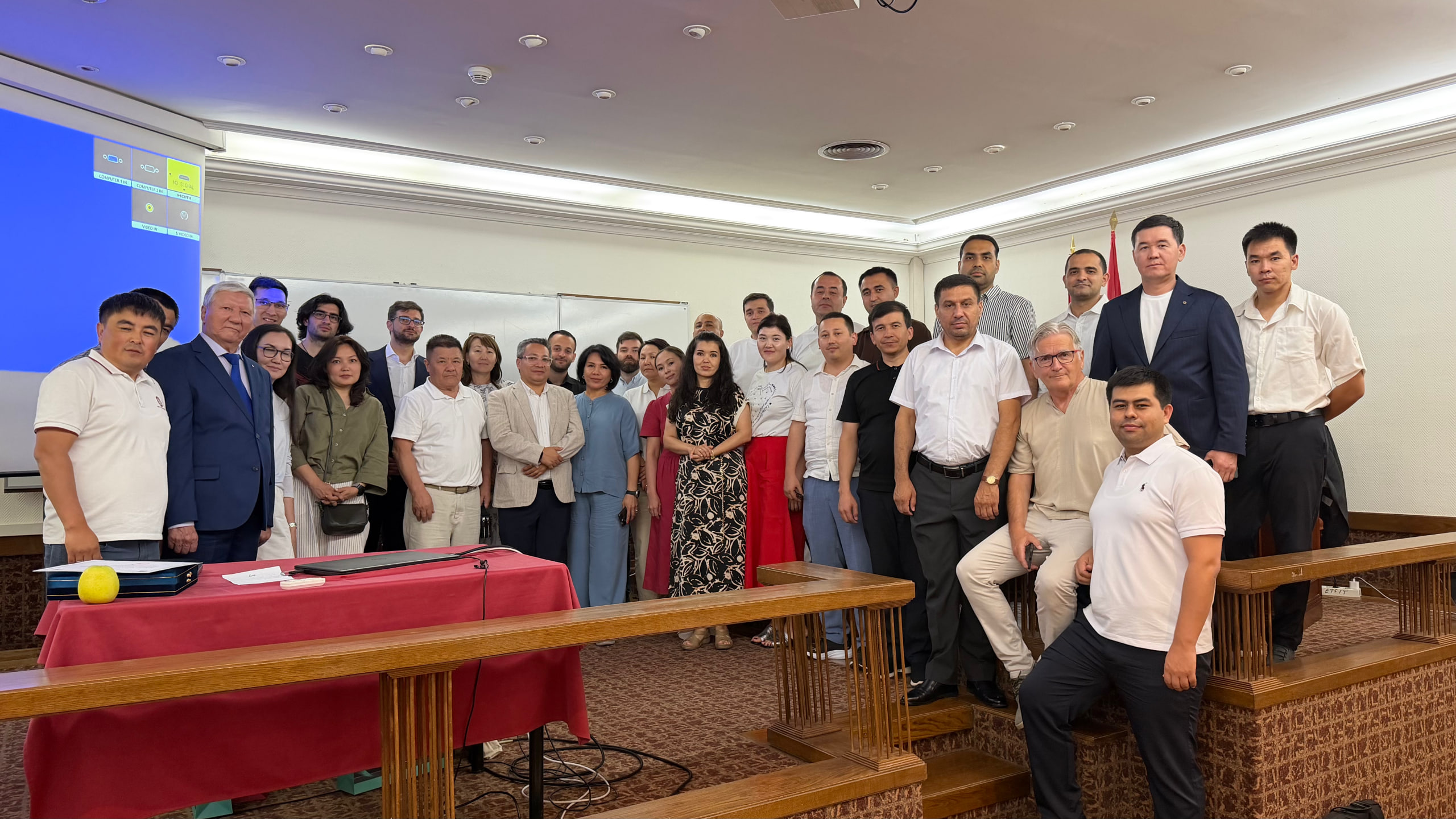
    The international training programme for teaching staff, organised within the framework of the Cyber4CA project at the Universidad Politécnica de Madrid in Madrid, Spain, has successfully concluded.

    The five-day training brought together representatives of partner higher education institutions, cybersecurity specialists, project coordinators, and experts from Europe and Central Asia. The main objective of the event was to support the development of cybersecurity education in line with contemporary requirements, improve practice-oriented teaching methods, and strengthen the institutional capacity of partner universities.
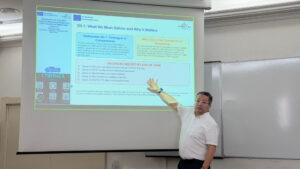
    Throughout the training, participants explored a wide range of topics, including IoT and cloud security, the detection of and response to phishing threats, cryptography, the development of modern cybersecurity curricula, the organisation of practical laboratory activities, and the design of CyberLab infrastructure.

    The programme included expert presentations, hands-on laboratory sessions, group work, and interactive discussions. Participants worked on laboratory models, educational modules, and practical training plans that could be adapted and implemented at their home institutions.
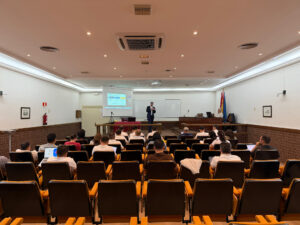
    The implementation of the project’s work packages was also reviewed. Discussions covered the development of cybersecurity study programmes, the establishment of CyberLab centres, quality assurance, monitoring, dissemination of project results, and the coordination of future activities.

    During the final stage of the training, practical recommendations were presented on the establishment of cybersecurity laboratories for networked systems, cloud and edge computing environments, IoT infrastructures, and open-source tools. Particular attention was given to integrating laboratory activities into master’s-level programmes, developing assessment criteria, and documenting results for quality assurance purposes.

    As a result of the training, participants strengthened their practical teaching competencies, developed initial CyberLab and training plans, and further enhanced academic cooperation between European and Central Asian universities.
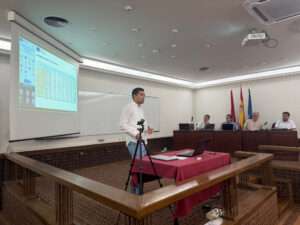
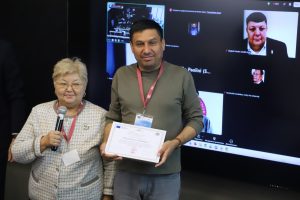
    The programme concluded with a general discussion, a question-and-answer session, and a certificate ceremony.

    The Cyber4CA project partners express their sincere appreciation to the Universidad Politécnica de Madrid, the training experts, and all participants for their active involvement and valuable contribution to international knowledge exchange.
  • Implementation of the Project Work Packages Discussed within the Cyber4CA International Training

    Implementation of the Project Work Packages Discussed within the Cyber4CA International Training

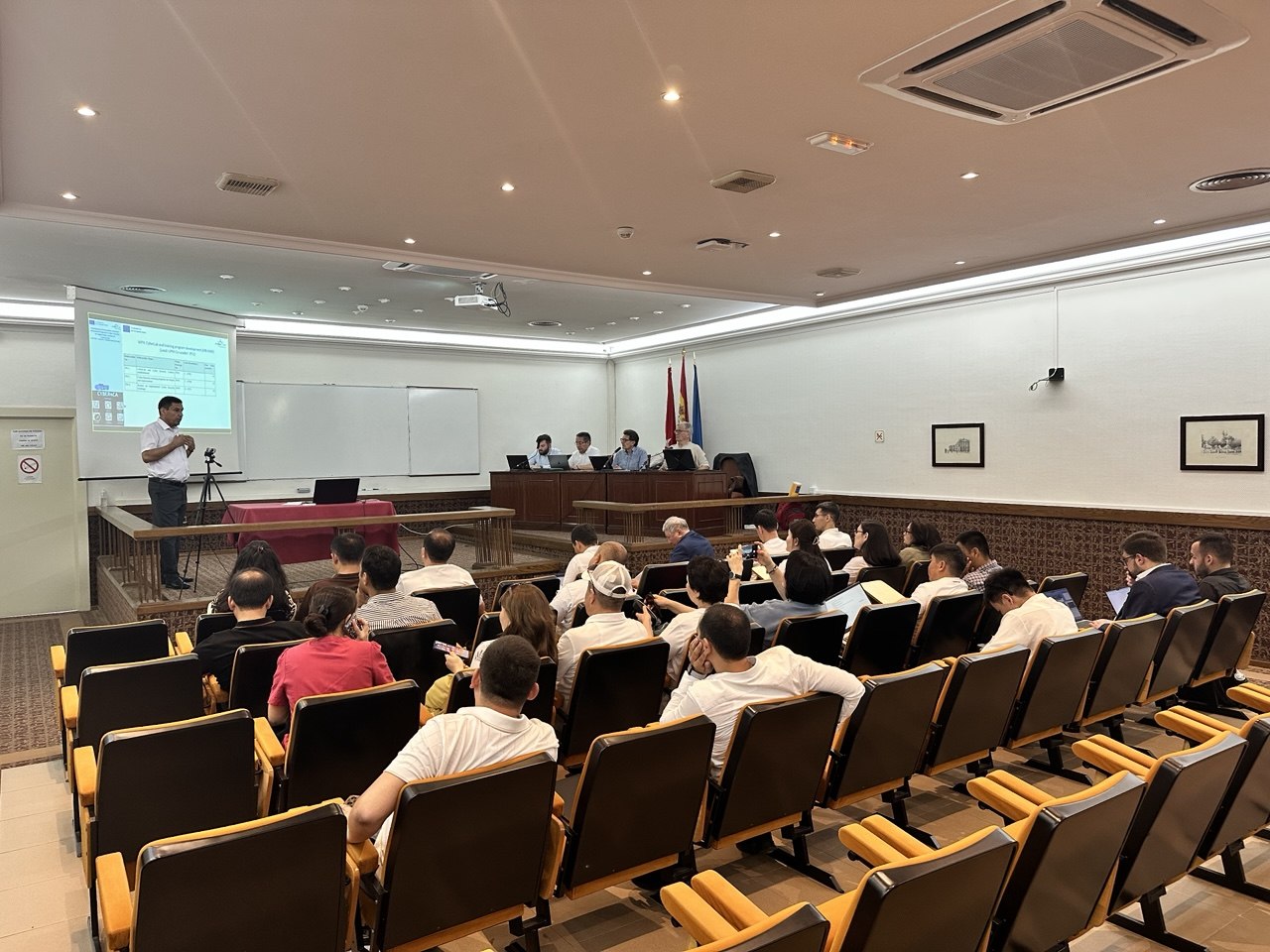
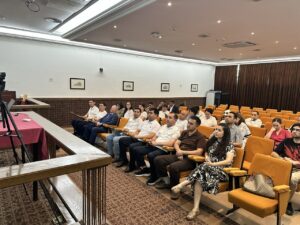
    The next stage of the international training programme for teaching staff, organised within the framework of the Cyber4CA project at the Universidad Politécnica de Madrid in Madrid, Spain, was dedicated to a consortium meeting and the coordinated implementation of the project’s main work packages.

    During the meeting, project partners reviewed the progress achieved in project management and coordination, financial processes, the analysis and development of cybersecurity study programmes, and the definition of competencies and learning outcomes.

    Particular attention was given to the current state of cybersecurity education programmes at partner higher education institutions in Central Asia, their improvement in line with contemporary requirements, and their integration with the new courses being developed within the project. Participants also exchanged views on aligning academic programme content with labour market needs and establishing clearly defined competencies and learning outcomes.

    One of the key areas of the consortium meeting concerned the establishment of CyberLab facilities and cybersecurity centres. Discussions covered the procurement and installation of the necessary technical equipment, the organisation of practical training activities, and the phased development of the relevant infrastructure.
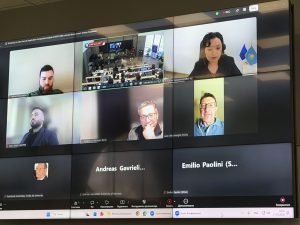
    The partners also reviewed the mechanisms for quality assurance and project monitoring, including internal and external evaluation procedures and the systematic assessment of project results. Considerable attention was paid to disseminating project activities through the official website and social media platforms, preparing information and promotional materials, and ensuring the effective exploitation and wider use of project outcomes.

    During the practical working session, representatives of partner institutions prepared preliminary plans for training activities to be delivered to teaching staff and specialists upon their return to their home institutions. These plans are intended to support the local dissemination of the knowledge and experience gained during the programme, strengthen practice-oriented cybersecurity education, and contribute to the sustainability of the project results.

    The consortium meeting provided an important platform for coordinating responsibilities among project partners, reviewing the work completed, and identifying future priorities. It contributes to the achievement of the Cyber4CA project’s main objectives, the advancement of cybersecurity education, and the strengthening of the institutional capacity of partner universities in Central Asia.

  • The Third Day of the Cyber4CA International Training Focused on the Development of Practical CyberLab Infrastructure

    The Third Day of the Cyber4CA International Training Focused on the Development of Practical CyberLab Infrastructure

    The third day of the international training programme for teaching staff, organised within the framework of the Cyber4CA project at the Universidad Politécnica de Madrid in Madrid, Spain, was dedicated to the development of practical cybersecurity laboratories, the advancement of interdisciplinary education, and the establishment of CyberLab infrastructure in higher education institutions.

    The training sessions were delivered by experts from Scuola Superiore Sant’Anna, Italy. The programme began with a presentation on the development of cybersecurity education for modern intelligent systems, the role of interdisciplinary research in this process, and the experience of the Pisa innovation ecosystem.

    During the practical part of the training, participants became acquainted with the stages of designing, launching, and integrating cybersecurity laboratory exercises into the educational process. The sessions were organised in a way that enabled participants to reproduce the demonstrated practices at their home institutions and adapt them to existing academic programmes.

    The programme also covered the fundamental principles of cybersecurity and cryptography, the organisation of laboratory experiments, and the integration of theoretical knowledge with practical activities. The experiments were conducted live during the sessions, allowing participants to perform the exercises independently.

    One of the key activities of the day was the development of an initial CyberLab model for master’s-level cybersecurity programmes. During the interactive session, participants discussed the objectives, technical infrastructure, priority areas, educational functions, and phased development of CyberLab facilities.

    The CyberLab models developed by the groups were presented and reviewed, followed by discussions on implementation priorities, existing limitations, technical requirements, and potential risks. This activity enabled project partners to formulate preliminary concepts for the establishment of practical cybersecurity laboratories based on the capacities and needs of their respective universities.

    The day concluded with a discussion and question-and-answer session focused on the development of practice-oriented cybersecurity education, the integration of laboratory activities into master’s programmes, and the implementation of the acquired experience at partner higher education institutions.

    The training contributes to the development of modern, practice-oriented cybersecurity education based on international experience and supports the formation of the knowledge and skills required to establish CyberLab facilities at Central Asian universities.

  • The Next Stage of the Cyber4CA International Training Focused on Practice-Oriented Cybersecurity Education

    The Next Stage of the Cyber4CA International Training Focused on Practice-Oriented Cybersecurity Education

    The next stage of the international training programme for teaching staff, organised within the framework of the Cyber4CA project at the Universidad Politécnica de Madrid in Madrid, Spain, was dedicated to the development of practical approaches to cybersecurity education.

    The training sessions were delivered by experts from the National University of Science and Technology POLITEHNICA Bucharest, Romania. The programme addressed the teaching of IoT and cloud security in higher education institutions, the use of federated learning methods in cybersecurity education, and the organisation of practical laboratory exercises for detecting anomalies and cyberattacks.

    Participants also took part in practical sessions on identifying and analysing phishing messages, examining email headers, conducting the initial assessment and triage of cybersecurity incidents, and responding to such incidents in a timely and effective manner.

    Particular attention was given to the development of modern cybersecurity curricula, the integration of practical exercises into academic programmes, and the alignment of the educational process with the needs of the digital labour market.

    The training enabled participants to assess opportunities for applying the acquired knowledge and practical experience at their home institutions, improving laboratory-based education, and introducing modern teaching methods.

    The day concluded with an interactive discussion and question-and-answer session, during which participants exchanged experience and views on the further development of cybersecurity education.

    The training contributes to strengthening cooperation between higher education institutions in Europe and Central Asia, expanding practice-oriented knowledge, and improving the quality of cybersecurity education.

  • Cyber4CA Training Participants Explore the Infrastructure of the Universidad Politécnica de Madrid and the Scientific Legacy of Muhammad al-Khwarizmi

    Cyber4CA Training Participants Explore the Infrastructure of the Universidad Politécnica de Madrid and the Scientific Legacy of Muhammad al-Khwarizmi

    As part of the first day of the international training programme for teaching staff organised in Madrid within the framework of the Cyber4CA project, participants visited the Universidad Politécnica de Madrid and its Higher Technical School of Telecommunication Engineering.

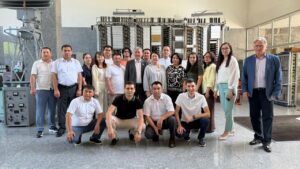
    During the visit, project participants became closely acquainted with the university’s academic environment, educational infrastructure, modern laboratories, and technical facilities supporting teaching and research activities in the field of cybersecurity. Representatives of the university provided information on the organisation of cybersecurity education, the integration of theoretical knowledge with practical laboratory sessions, and the use of virtual environments and modern technological tools.

    The visit enabled participants to study advanced approaches to the training of cybersecurity specialists, observe the integration of education and scientific research, and consider how these practices could be adapted to the educational processes of partner universities. The project partners also exchanged views on the development of practice-oriented education, the establishment of CyberLab facilities, and the expansion of academic cooperation.

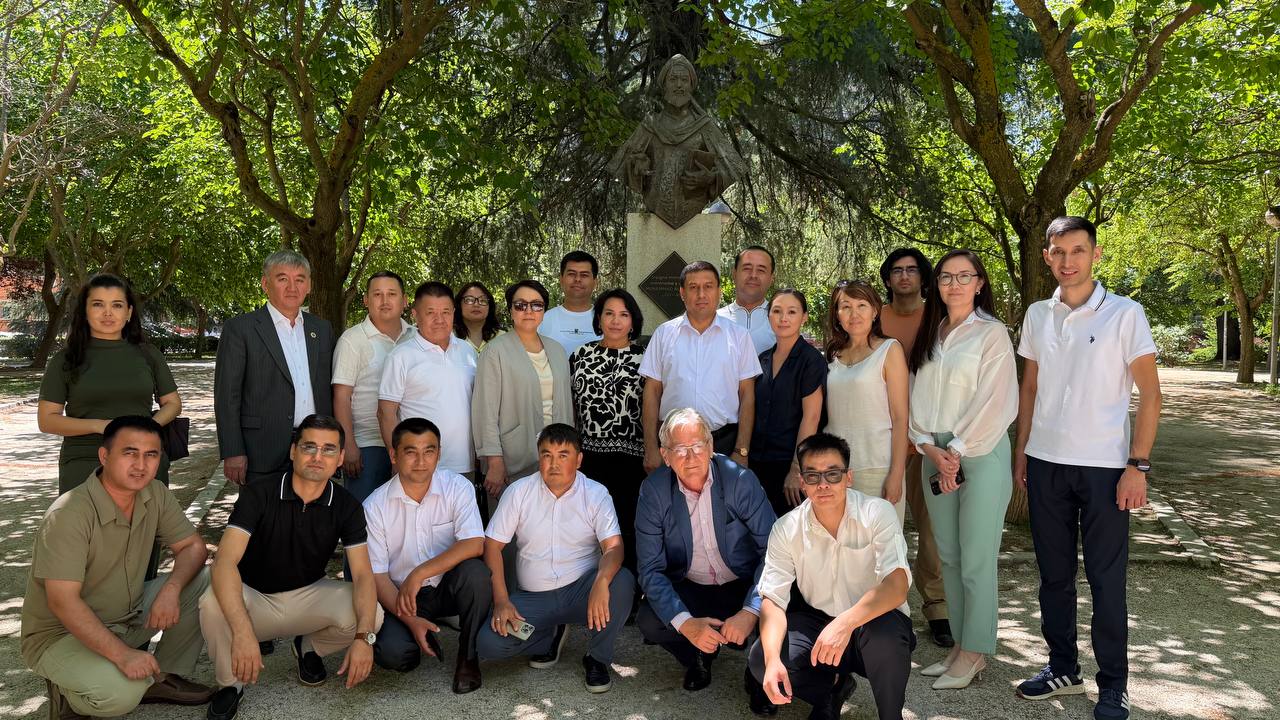
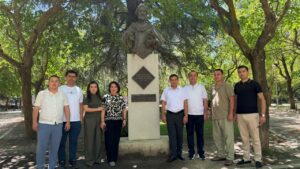
    A particularly significant part of the visit was the tour of the monument dedicated to the memory of the great encyclopaedic scholar Muhammad al-Khwarizmi. Muhammad ibn Musa al-Khwarizmi is recognised in the history of world science as an outstanding scholar who made an invaluable contribution to the development of mathematics, astronomy, geography, and computational methods.

    Al-Khwarizmi’s scientific works in the field of algebra laid an important foundation for the establishment of algebra as an independent branch of science. His works devoted to the systematic solution of equations had a profound influence on the subsequent development of scientific schools in both the East and the West. The term “algebra” itself is associated with the concept of “al-jabr” used in one of his most renowned works.

    The concept of an “algorithm”, which is widely used today in information technology, programming, artificial intelligence, and cybersecurity, is also directly connected to the Latinised form of Al-Khwarizmi’s name. Algorithms form the basis of modern digital systems and play a vital role in data processing, software development, the design of security mechanisms, and the detection of cyberattacks.

    From this perspective, the visit to the monument of Muhammad al-Khwarizmi further enriched the scientific and symbolic significance of the Cyber4CA training. The great scholar’s scientific legacy demonstrates the historical foundations of modern cybersecurity, computer science, and digital technologies. His scientific reasoning, precise computational methods, and systematic approach continue to retain their relevance in the development of contemporary innovative technologies.

    This academic and cultural-educational visit once again highlighted the close relationship between historical scientific heritage and modern technological education. It provided participants not only with an opportunity to study the university’s infrastructure but also to gain a deeper understanding of the contribution made to world science by one of the greatest scholars to emerge from Central Asia.

  • International Training under the Cyber4CA Project Begins in Madrid

    International Training under the Cyber4CA Project Begins in Madrid

    On 15 June 2026, a five-day international training programme for teaching staff commenced in Madrid, Spain, within the framework of the Erasmus+ Cyber4CA project. The event is being held at the Universidad Politécnica de Madrid from 15 to 19 June 2026.

    The international training brings together project partners, representatives of higher education institutions and public authorities, as well as experts in the field of cybersecurity. The main objective of the event is to support the development of modern cybersecurity education, promote the exchange of advanced teaching practices, and improve practice-oriented academic programmes.

    The first day of the training began with an official opening ceremony. The participants discussed the objectives and tasks of the Cyber4CA project, the priority areas of cooperation, and the preparation of highly qualified cybersecurity specialists in Central Asia.

    The programme included a presentation of the cybersecurity master’s programme, teaching methodologies, educational infrastructure, and practical laboratory facilities of the Universidad Politécnica de Madrid. Participants also became acquainted with the university’s modern laboratories and technical resources supporting educational and research activities.

    Throughout the training, lectures, practical sessions, and expert discussions will be held on key topics, including IoT and cloud security, phishing threat detection, cybersecurity curriculum development, cryptography, the organisation of practical laboratory activities, and the development of CyberLab infrastructure.

    The international training will contribute to strengthening academic cooperation among project partners, studying advanced international practices, and developing cybersecurity education in accordance with the requirements of the modern digital labour market.

  • Cyber4CA Project Presented at the Erasmus+ Information and Methodological Seminar

    Cyber4CA Project Presented at the Erasmus+ Information and Methodological Seminar

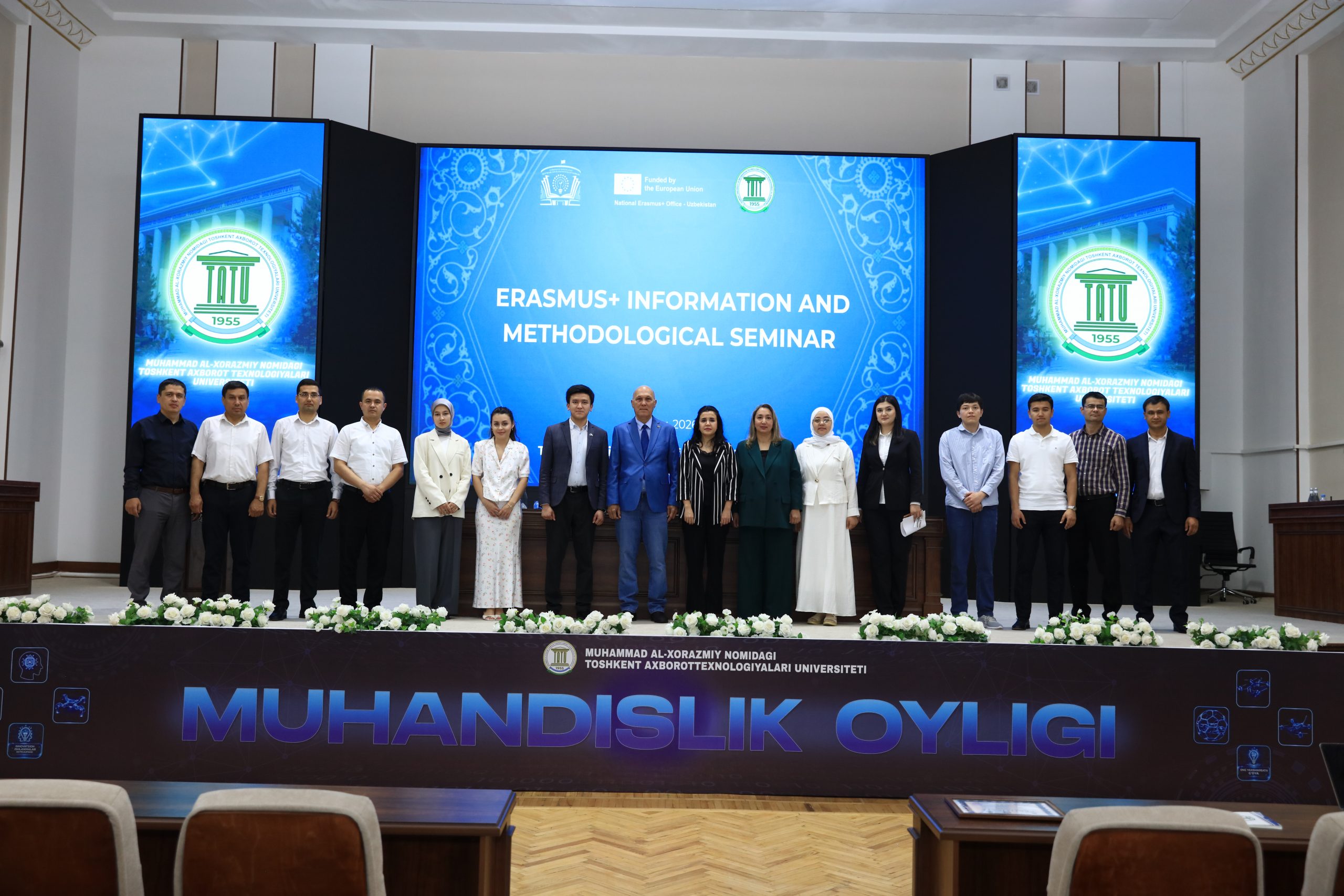
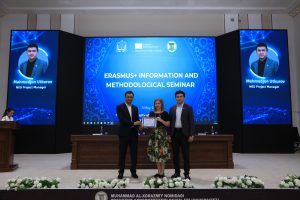
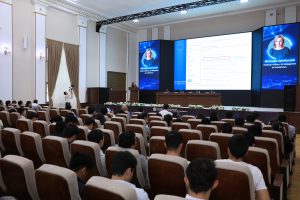
    On 5 May 2026, the Erasmus+ Information and Methodological Seminar was held at Tashkent University of Information Technologies named after Muhammad al-Khwarizmi (TUIT). The seminar was organized in cooperation with the Ministry of Higher Education, Science and Innovation of the Republic of Uzbekistan, the European Union Delegation to the Republic of Uzbekistan, the National Erasmus+ Office in Uzbekistan, Erasmus+ HERE experts, and TUIT.

    The event brought together representatives of higher education institutions from Tashkent and nearby regions, Erasmus+ HERE experts, representatives of ongoing CBHE projects, Jean Monnet teams, International Credit Mobility alumni, and students. The seminar provided an important academic platform for discussing Erasmus+ opportunities, international cooperation, project implementation experience, and the modernization of higher education.

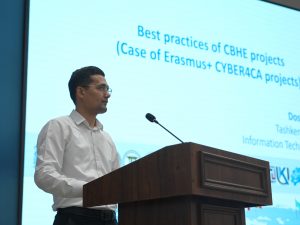
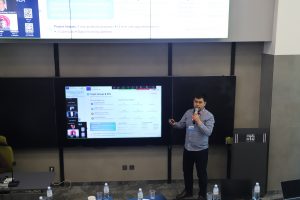
    Within the framework of the seminar, the Project Manager delivered a presentation entitled “Best Practices of CBHE Projects / Case of Erasmus+ Cyber4CA Project.” The presentation introduced the main objectives of the Cyber4CA project, its consortium-based approach, innovative laboratories, training centers, short-term training courses, dissemination activities, and the key results achieved so far.

    Special attention was given to the project’s contribution to improving the quality of cyber security education, developing new and modernized courses, establishing innovative laboratory infrastructure, and ensuring the long-term sustainability of project outcomes. The Cyber4CA project was also presented as a good practice example within the framework of Erasmus+ Capacity Building in Higher Education projects.

    The seminar played an important role in promoting the results of the Cyber4CA project to a wider academic and professional audience. It also supported the exchange of experience among Erasmus+ projects and contributed to the development of modern education and capacity building in the field of cyber security in Uzbekistan.

  • Cyber4CA Workshop Successfully Completed

    Cyber4CA Workshop Successfully Completed

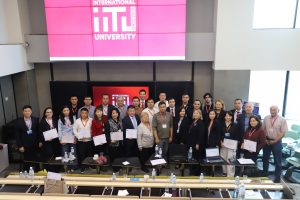
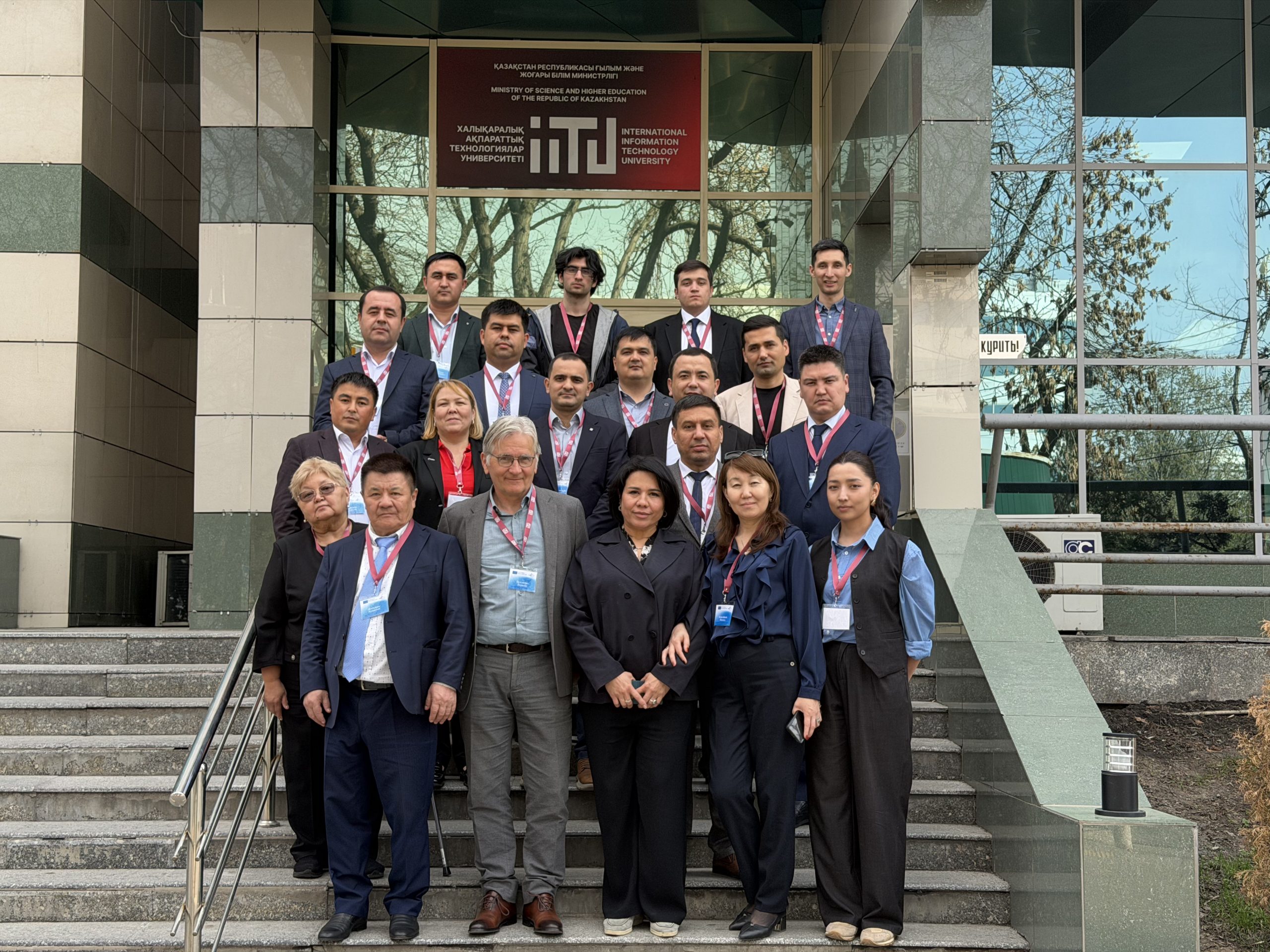
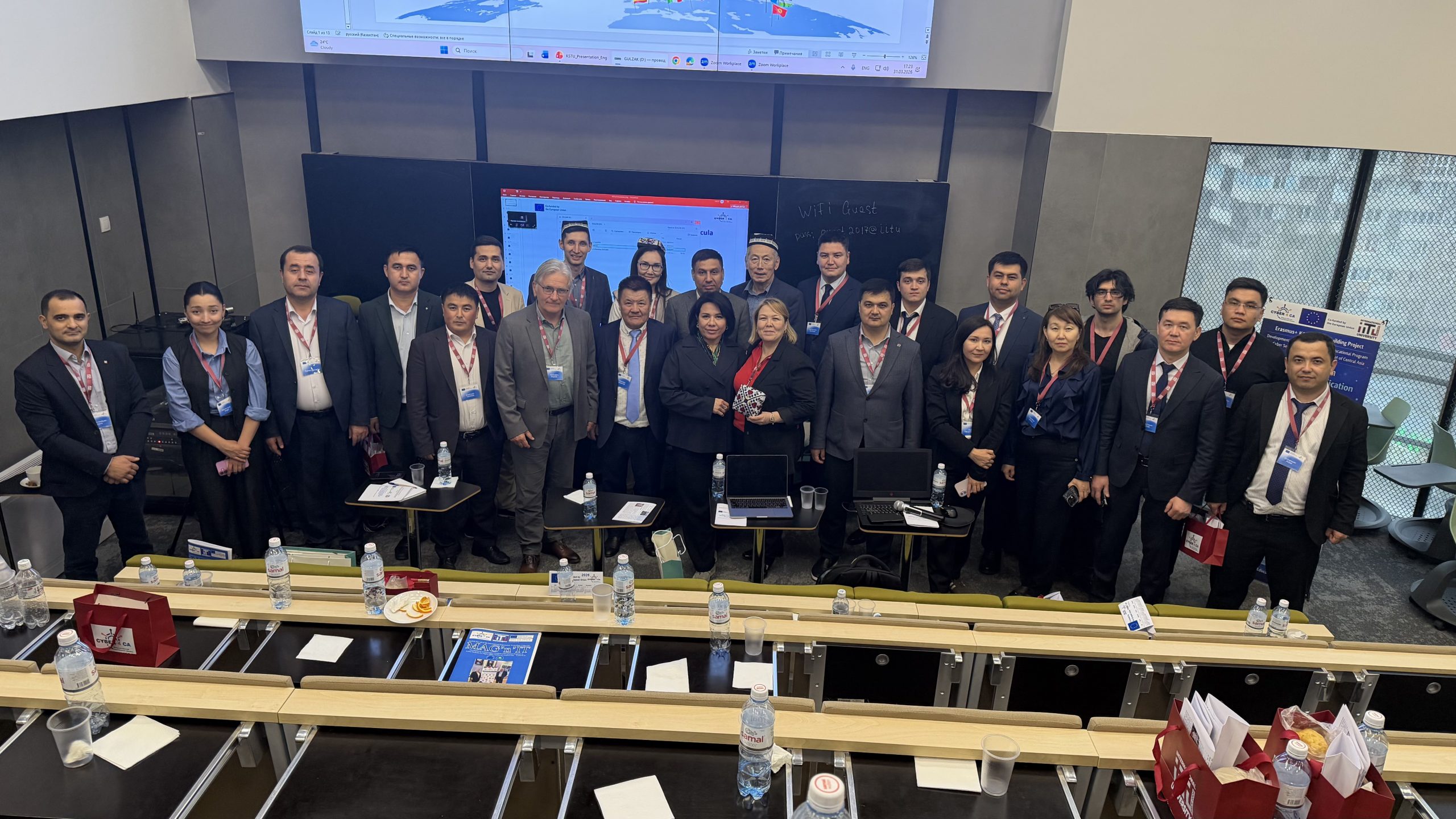
    The international workshop of the Erasmus+ Capacity Building in Higher Education (CBHE) project Cyber4CA has been successfully completed on 2nd April 2026 at the International Information Technology University.

    This three-day academic event brought together representatives of leading universities, governmental institutions, and industry organizations from Europe and Central Asia with the aim of strengthening cybersecurity education and aligning it with the evolving demands of the digital labour market.

    Throughout the workshop, participants engaged in comprehensive discussions and collaborative activities focused on the comparative analysis of cybersecurity curricula, the exchange of European Union best practices and regional experiences, and the development of innovative academic approaches. Particular emphasis was placed on the design and modernization of Master’s degree programs in cybersecurity, as well as the conceptualization and implementation of CyberLab-based practical training environments to enhance hands-on learning and skills development.

    The workshop resulted in a set of practical, evidence-based recommendations and strategic directions aimed at advancing cybersecurity education across Central Asia. These outcomes support the alignment of academic programs with labour market requirements, promote the integration of modern teaching methodologies, and contribute to the development of sustainable institutional frameworks. Furthermore, the event significantly strengthened international cooperation, academic integration, and knowledge exchange among consortium partners.

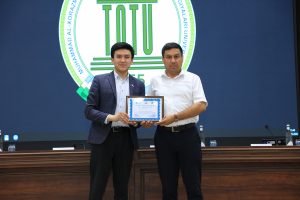
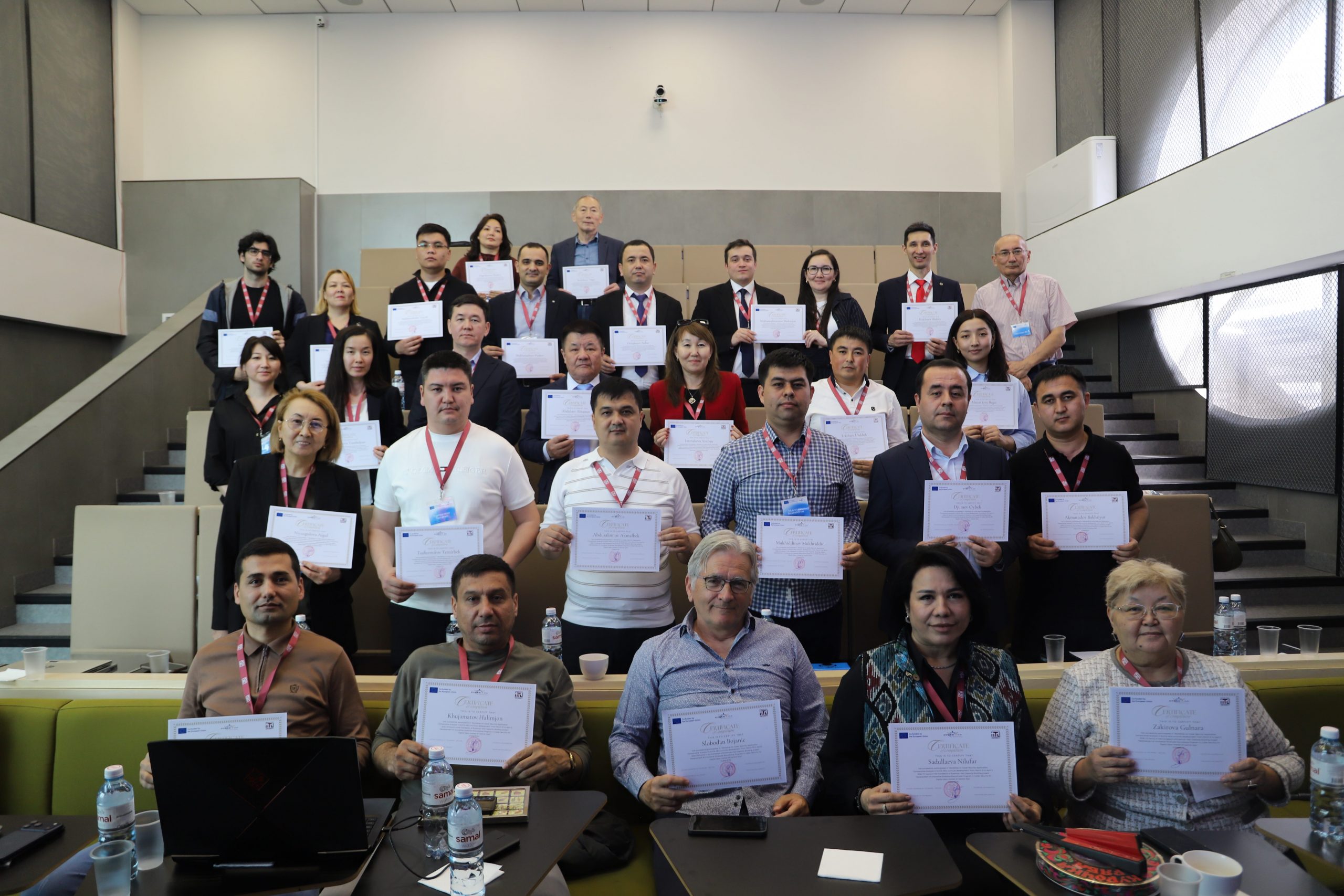
    The workshop concluded with a formal closing session and a certificate awarding ceremony, recognizing the active participation and valuable contributions of all attendees. The Cyber4CA project now enters the implementation phase, focusing on the development and delivery of high-quality, innovative cybersecurity education programs and training initiatives, thereby contributing to the long-term advancement of digital competencies in the region.

  • Cyber4CA Workshop – Day 2: Advancing Collaborative Design and Strategic Development

    Cyber4CA Workshop – Day 2: Advancing Collaborative Design and Strategic Development

    📍 International Information Technology University, Almaty, Kazakhstan
    📅 1 April 2026

    The second day of the Erasmus+ Capacity Building in Higher Education (CBHE) Cyber4CA workshop represented a pivotal transition from analytical knowledge exchange to structured co-creation and strategic development of cybersecurity education frameworks. Building upon the insights generated during the initial phase of the workshop, the activities of Day 2 were designed to transform research findings into practical, scalable, and context-sensitive academic solutions.

    The day commenced with a comprehensive and methodologically structured reflection on the outcomes of Day 1. During this session, participants systematically reviewed previously identified gaps in cybersecurity education, examined best practices derived from European partner institutions, and established priority areas for further development. This reflective exercise ensured a shared understanding among consortium members and provided a robust analytical foundation for subsequent collaborative work.

    Within the framework of Session 3, a series of expert-led presentations addressed specialized and forward-looking topics. These included the definition and standardization of cybersecurity competencies in alignment with evolving labour market requirements, the development of qualification frameworks and skill sets for future professionals, as well as the design and implementation of CyberLab models and training programs. The presented approaches emphasized the importance of integrating theoretical knowledge with practical competencies, thereby ensuring that academic programs remain relevant to industry demands and international standards.

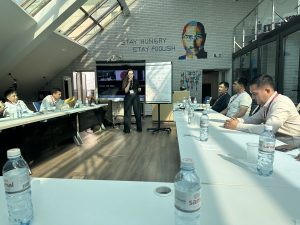
    A central and highly interactive component of the day was the organization of multidisciplinary international working groups. These groups were tasked with addressing key thematic dimensions critical to the project’s objectives. Discussions on curriculum content and structure involved a comparative evaluation of existing EU and Central Asian programs, identification of missing or underrepresented subject areas—such as incident response, digital forensics, and blockchain security—and the formulation of modernization strategies incorporating innovative pedagogical approaches. In parallel, dedicated groups explored the development of CyberLabs and practical training environments, focusing on infrastructure requirements, equipment specifications, hands-on learning methodologies, and the adaptation of established European practices to the socio-economic and institutional contexts of Central Asia.

    Furthermore, significant attention was devoted to policy alignment and institutional support mechanisms, including accreditation frameworks, governance models, faculty capacity building, and long-term sustainability strategies. These discussions underscored the necessity of aligning academic innovation with national educational policies and industry expectations to ensure effective implementation and scalability.

    The results of the working group sessions were formally presented during plenary discussions, where each group articulated a set of actionable and evidence-based recommendations. These outputs were subsequently reviewed and refined under the guidance of Work Package leaders (WP2 – analysis, WP3 – program development, WP4 – CyberLab implementation), ensuring coherence with the overarching project framework and alignment with strategic objectives.

    Overall, the second day of the workshop made a substantial contribution to operationalizing analytical findings into concrete educational and institutional solutions. It supported the design of forward-looking Master’s degree programs in cybersecurity, reinforced the integration of practice-oriented learning through CyberLab infrastructures, and facilitated consensus-building among international partners.

    The workshop will proceed with sessions dedicated to the consolidation of final recommendations, formalization of decisions, and strategic planning for the subsequent implementation phases of the Cyber4CA project, thereby advancing its mission to enhance cybersecurity education across Central Asia.

  • Cyber4CA Workshop – Day 1 Successfully Launched

    Cyber4CA Workshop – Day 1 Successfully Launched

    The international workshop of the Erasmus+ Capacity Building in Higher Education (CBHE) project Cyber4CA (Development of Innovative Graduate Educational Program in Cyber Security for the Digital Labour Market of Central Asia) was officially launched on 31 March 2026 at the International Information Technology University, Almaty, Kazakhstan.

    This three-day academic event brings together representatives of leading universities, governmental institutions, and industry organizations from Europe and Central Asia, aiming to strengthen cybersecurity education and align it with the evolving demands of the digital labour market.

    The workshop commenced with official welcome addresses delivered by representatives of national ministries, university leadership, and project coordinators, emphasizing the strategic importance of cybersecurity capacity building and regional cooperation. Participants were introduced to the key results of the project’s analytical phase (Deliverables D2.1 and D2.2), covering the current state of cybersecurity education in EU and Central Asian countries, existing curricula and institutional frameworks, as well as public demand and awareness related to cybersecurity. These findings provide an evidence-based foundation for the next stages of curriculum development within the project.

    Experts from European partner universities presented advanced approaches in cybersecurity education, including policy frameworks, curriculum design, innovative teaching methodologies, and practical implementation cases. In parallel, representatives from Central Asian universities shared insights into existing educational programs, applied tools and standards, teaching methods, and key challenges and development needs, contributing to a comprehensive comparative perspective.

    The first day of the workshop established a strong foundation for comparative analysis, identification of gaps and development priorities, and integration of international best practices into regional contexts. It also supported the preparation for designing innovative Master’s programs and CyberLab-based training models. Overall, Day 1 was highly productive, fostering knowledge exchange and institutional collaboration, and marking an important step toward the development of modern, practice-oriented cybersecurity education in Central Asia.