Author: admin

  • Cyber4CA Workshop – Day 2: Advancing Collaborative Design and Strategic Development

    Cyber4CA Workshop – Day 2: Advancing Collaborative Design and Strategic Development

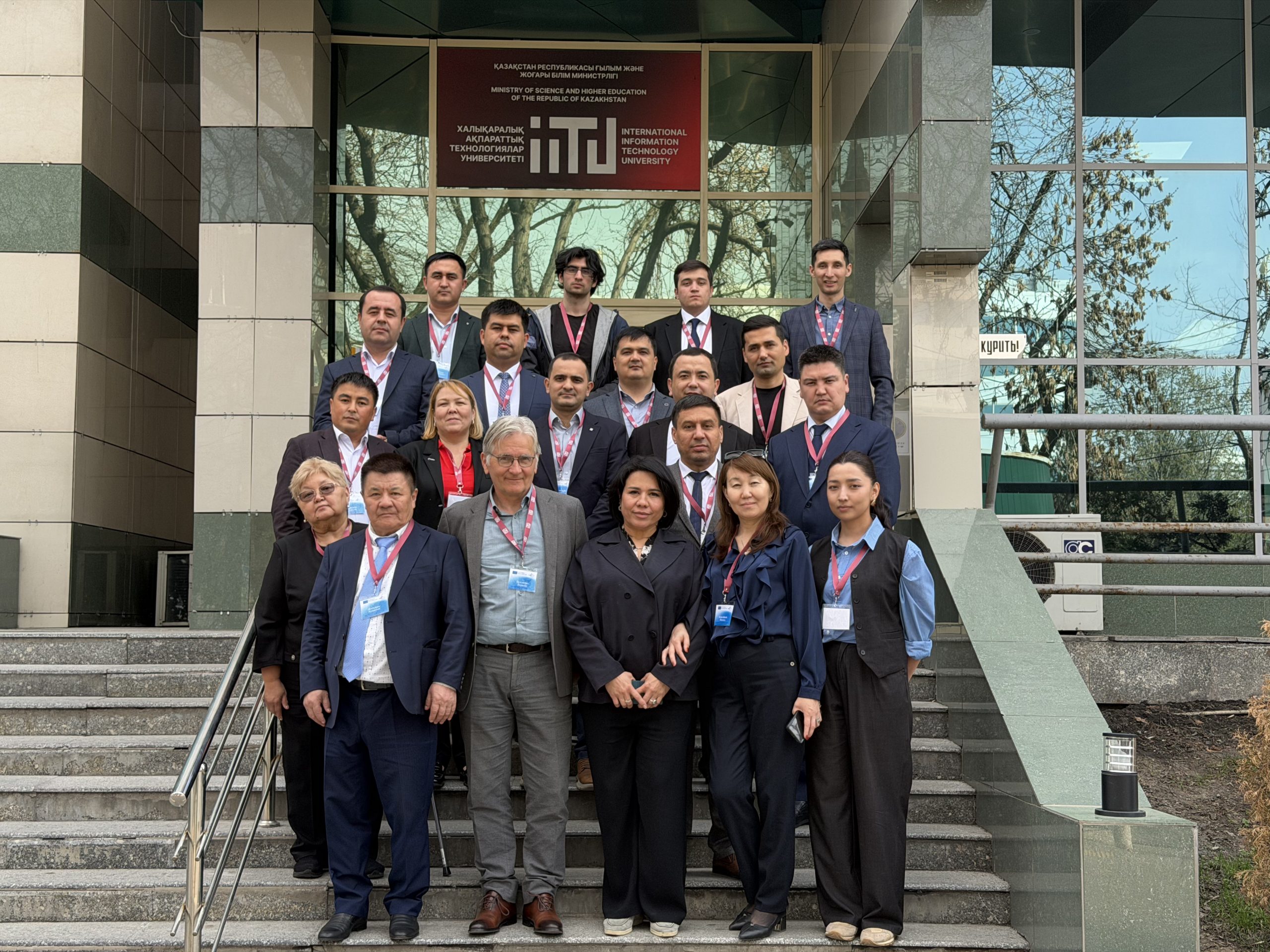
    📍 International Information Technology University, Almaty, Kazakhstan
    📅 1 April 2026

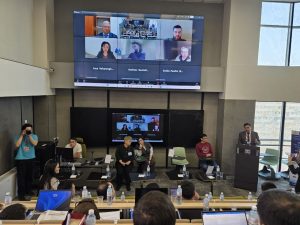
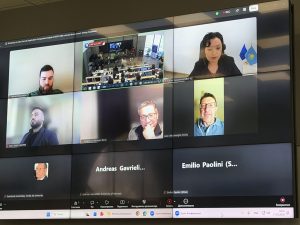
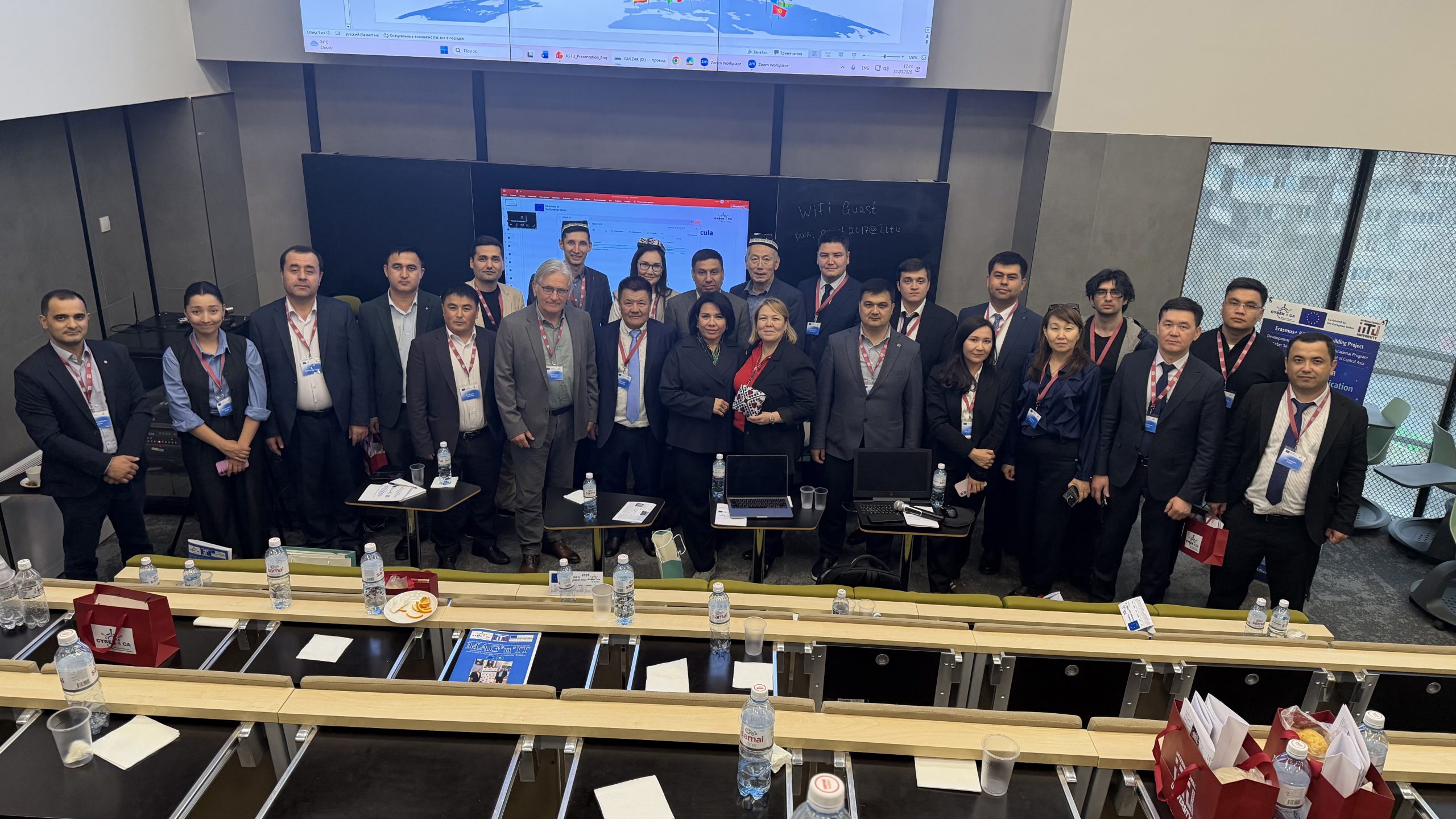
    The second day of the Erasmus+ Capacity Building in Higher Education (CBHE) Cyber4CA workshop represented a pivotal transition from analytical knowledge exchange to structured co-creation and strategic development of cybersecurity education frameworks. Building upon the insights generated during the initial phase of the workshop, the activities of Day 2 were designed to transform research findings into practical, scalable, and context-sensitive academic solutions.

    The day commenced with a comprehensive and methodologically structured reflection on the outcomes of Day 1. During this session, participants systematically reviewed previously identified gaps in cybersecurity education, examined best practices derived from European partner institutions, and established priority areas for further development. This reflective exercise ensured a shared understanding among consortium members and provided a robust analytical foundation for subsequent collaborative work.

    Within the framework of Session 3, a series of expert-led presentations addressed specialized and forward-looking topics. These included the definition and standardization of cybersecurity competencies in alignment with evolving labour market requirements, the development of qualification frameworks and skill sets for future professionals, as well as the design and implementation of CyberLab models and training programs. The presented approaches emphasized the importance of integrating theoretical knowledge with practical competencies, thereby ensuring that academic programs remain relevant to industry demands and international standards.

    A central and highly interactive component of the day was the organization of multidisciplinary international working groups. These groups were tasked with addressing key thematic dimensions critical to the project’s objectives. Discussions on curriculum content and structure involved a comparative evaluation of existing EU and Central Asian programs, identification of missing or underrepresented subject areas—such as incident response, digital forensics, and blockchain security—and the formulation of modernization strategies incorporating innovative pedagogical approaches. In parallel, dedicated groups explored the development of CyberLabs and practical training environments, focusing on infrastructure requirements, equipment specifications, hands-on learning methodologies, and the adaptation of established European practices to the socio-economic and institutional contexts of Central Asia.

    Furthermore, significant attention was devoted to policy alignment and institutional support mechanisms, including accreditation frameworks, governance models, faculty capacity building, and long-term sustainability strategies. These discussions underscored the necessity of aligning academic innovation with national educational policies and industry expectations to ensure effective implementation and scalability.

    The results of the working group sessions were formally presented during plenary discussions, where each group articulated a set of actionable and evidence-based recommendations. These outputs were subsequently reviewed and refined under the guidance of Work Package leaders (WP2 – analysis, WP3 – program development, WP4 – CyberLab implementation), ensuring coherence with the overarching project framework and alignment with strategic objectives.
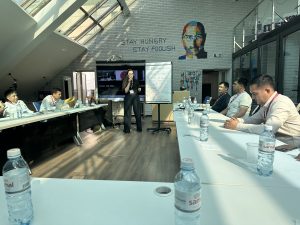
    Overall, the second day of the workshop made a substantial contribution to operationalizing analytical findings into concrete educational and institutional solutions. It supported the design of forward-looking Master’s degree programs in cybersecurity, reinforced the integration of practice-oriented learning through CyberLab infrastructures, and facilitated consensus-building among international partners.

    The workshop will proceed with sessions dedicated to the consolidation of final recommendations, formalization of decisions, and strategic planning for the subsequent implementation phases of the Cyber4CA project, thereby advancing its mission to enhance cybersecurity education across Central Asia.
  • Cyber4CA Workshop – Day 1 Successfully Launched

    Cyber4CA Workshop – Day 1 Successfully Launched

    The international workshop of the Erasmus+ Capacity Building in Higher Education (CBHE) project Cyber4CA (Development of Innovative Graduate Educational Program in Cyber Security for the Digital Labour Market of Central Asia) was officially launched on 31 March 2026 at the International Information Technology University, Almaty, Kazakhstan.

    This three-day academic event brings together representatives of leading universities, governmental institutions, and industry organizations from Europe and Central Asia, aiming to strengthen cybersecurity education and align it with the evolving demands of the digital labour market.

    The workshop commenced with official welcome addresses delivered by representatives of national ministries, university leadership, and project coordinators, emphasizing the strategic importance of cybersecurity capacity building and regional cooperation. Participants were introduced to the key results of the project’s analytical phase (Deliverables D2.1 and D2.2), covering the current state of cybersecurity education in EU and Central Asian countries, existing curricula and institutional frameworks, as well as public demand and awareness related to cybersecurity. These findings provide an evidence-based foundation for the next stages of curriculum development within the project.

    Experts from European partner universities presented advanced approaches in cybersecurity education, including policy frameworks, curriculum design, innovative teaching methodologies, and practical implementation cases. In parallel, representatives from Central Asian universities shared insights into existing educational programs, applied tools and standards, teaching methods, and key challenges and development needs, contributing to a comprehensive comparative perspective.

    The first day of the workshop established a strong foundation for comparative analysis, identification of gaps and development priorities, and integration of international best practices into regional contexts. It also supported the preparation for designing innovative Master’s programs and CyberLab-based training models. Overall, Day 1 was highly productive, fostering knowledge exchange and institutional collaboration, and marking an important step toward the development of modern, practice-oriented cybersecurity education in Central Asia.

  • Bilateral Meeting with Erasmus+ Project Officer and Cyber4CA Partners – 29 January 2026

    Bilateral Meeting with Erasmus+ Project Officer and Cyber4CA Partners – 29 January 2026

    On 29 January 2026, the Cyber4CA project team convened a significant bilateral meeting with the Erasmus+ Project Officer and partners from both the European Union and Central Asia. This meeting provided an essential platform for constructive dialogue and detailed discussions, ensuring the project’s alignment with its strategic objectives.

    During the session, the Erasmus+ Project Officer addressed all queries raised by the project team, offering valuable insights and comprehensive feedback on the project’s current status. The discussions covered critical aspects of the project, including implementation strategies, timeline management, financial oversight, and quality assurance. The Project Officer provided specific guidelines to facilitate the successful execution of the project as it progresses towards its planned outcomes.

    This meeting not only allowed for the clarification of various project-related matters but also served to strengthen the collaboration between the project partners across both regions. The guidance and feedback from the Project Officer have been instrumental in ensuring that the Cyber4CA project continues its momentum and progresses smoothly, paving the way for its successful completion.

    With the strategic input received, the Cyber4CA project team remains confident that the project will successfully achieve its goal of advancing cybersecurity education across the region, thereby contributing to the enhancement of international collaboration in higher education.

  • CYBER4CA Project Participates in Erasmus+ CBHE Grant Holders Meeting

    CYBER4CA Project Participates in Erasmus+ CBHE Grant Holders Meeting

    The CYBER4CA project team successfully participated in the Erasmus+ Capacity Building in Higher Education (CBHE) Grant Holders Meeting and Regional Workshop, held over two days on 20–21 January 2026.

    The event brought together representatives of Erasmus+ CBHE projects to exchange experiences, discuss project implementation challenges, and strengthen cooperation among higher education institutions and stakeholders. Throughout the meeting, selected CBHE projects delivered presentations, showcasing their progress, achievements, and best practices in capacity building, innovation, and international collaboration.

    In addition to project presentations, representatives of the Erasmus+ Office provided comprehensive and practical guidance on how to successfully manage and lead Erasmus+ CBHE projects. Key topics included effective project coordination, administrative and financial management, reporting requirements, quality assurance, and sustainability strategies. These sessions offered valuable insights to support project teams in achieving their objectives and ensuring compliance with Erasmus+ regulations.

    A key highlight of the event was the Regional Workshop held on 21 January 2026, which served as an important platform for deeper dialogue and regional cooperation. The workshop encouraged interactive discussions, peer learning, and the exchange of practical solutions tailored to regional needs. Participants had the opportunity to reflect on common challenges, identify synergies between projects, and explore opportunities for future collaboration.

    The CYBER4CA project team highly values the constructive discussions, knowledge sharing, and professional guidance provided during the meeting and workshop. Participation in this event contributes significantly to strengthening the project’s implementation capacity and reinforcing its alignment with the strategic objectives of Erasmus+ Capacity Building in Higher Education.

    The CYBER4CA project remains committed to fostering international cooperation, enhancing institutional capacities, and contributing to innovation and excellence in higher education through active engagement in Erasmus+ initiatives.

  • Ministry of Digital Technologies of the Republic of Uzbekistan

    Ministry of Digital Technologies of the Republic of Uzbekistan

    Roles in the project: Ministry of Digital Technologies of the Republic of Uzbekistan  (MDTRUZ) is an essential partner in the Cyber4CA project, contributing to the integration of cybersecurity education and digital transformation in Uzbekistan. MDTRUz will play a key role in ensuring that the project’s objectives align with the country’s digital development strategies and initiatives. The Ministry will support the implementation of Cyber Security programs in higher education institutions and help facilitate collaboration between industry and academia. Additionally, MDTRUz will actively participate in disseminating project results, raising awareness of the importance of cybersecurity in Uzbekistan’s growing digital economy.

    Official web-site of the partner: https://www.digital.gov.uz/en

  • Ministry of Education and Science of The Kyrgyz Republic

    Ministry of Education and Science of The Kyrgyz Republic

    Roles in the project: Ministry of Education and Science of The Kyrgyz Republic (MESKR) is a key partner in the Cyber4CA project, contributing to the development of cybersecurity education in Kyrgyzstan. MESKR will help ensure that the project’s objectives align with national educational priorities, supporting the integration of cybersecurity-focused programs in Kyrgyz higher education institutions. The Ministry will also be involved in the dissemination of project results, promoting the impact of the project across the country. By fostering collaboration between academia, industry, and government, MESKR will play a pivotal role in enhancing the cybersecurity capacity and ensuring the long-term sustainability of project outcomes.


    Official web-site of the partner: https://edu.gov.kg/

  • Ministry of Science and Higher Education of The Republic of Kazakhstan

    Ministry of Science and Higher Education of The Republic of Kazakhstan

    Roles in the project: Ministry of Science and Higher Education of The Republic of Kazakhstan (MSHERKZ) plays a crucial role in the Cyber4CA project, supporting the advancement of cybersecurity education within Kazakhstan. The Ministry will ensure the alignment of the project’s objectives with national educational policies and strategies. It will contribute to the development and implementation of the cybersecurity graduate programs, facilitating their integration into the national higher education framework. MSHERKZ will also actively participate in dissemination activities, promoting the project’s results and impact across Kazakhstan. Through these efforts, the Ministry will help strengthen cybersecurity capacity and ensure the sustainability of project outcomes.

    Official web-site of the partner: https://www.gov.kz/memleket/entities/sci?lang=en


  • Ministry of Higher Education, Science and Innovation of The Republic of Uzbekistan

    Ministry of Higher Education, Science and Innovation of The Republic of Uzbekistan

    Roles in the project: Ministry of Higher Education, Science and Innovation of The Republic of Uzbekistan (MHESIRUZ) plays a vital role in the Cyber4CA project, particularly in promoting the introduction of the Mechatronics curriculum across the country, extending beyond the Uzbek project partner universities to other institutions. The Ministry will actively contribute to WP6, participating in the dissemination of project results throughout Uzbekistan, thereby enhancing the project’s impact and ensuring its long-term sustainability. Additionally, the Ministry will take an active part in WP5, supporting quality assurance efforts to maintain high standards in all educational and project activities.


    Official web-site of the partner: https://gov.uz/en/edu

  • Association of Legal Entities Kazakhstan Information Security Association

    Association of Legal Entities Kazakhstan Information Security Association

    Roles in the project: Association of Legal Entities Kazakhstan Information Security Association (KISA) as an associated partner in the Cyber4CA project, plays a vital role in promoting cybersecurity awareness and best practices within Central Asia. KISA will contribute to the development and implementation of cybersecurity-related programs and training initiatives, ensuring alignment with industry standards and regional needs. The organization will also facilitate industry collaboration, connecting academic institutions with cybersecurity professionals to foster practical, real-world learning experiences. Additionally, KISA will support the dissemination of project outcomes, enhancing the visibility of the Cyber4CA project and ensuring its sustainability across Kazakhstan and the wider region.

    Official web-site of the partner: https://www.gov.kz/memleket/entities/infsecurity?lang=en

  • Unicon.uz

    Unicon.uz

    Roles in the project: Unicon.uz  – Scientific, technical and marketing research center (UNICON.UZ) is an associated partner in the Cyber4CA project, contributing to its successful implementation through key support activities. As an integral part of the project, UNICON.UZ will assist in the dissemination of project results, helping to ensure the project’s visibility and outreach to relevant stakeholders across the region. The organization will also play a crucial role in supporting the development of cybersecurity-related resources, including educational materials and tools that will be used within the project’s Cyber Security Centres. Additionally, UNICON.UZ will collaborate with other partners to facilitate industry connections and promote the integration of practical cybersecurity skills into the curriculum.

    Official web-site of the partner: https://unicon.uz/