Блог

  • Quality Assurance and Monitoring

    Quality Assurance and Monitoring

    Duration: M1 – M36

    Lead Beneficiary: Scuola Superiore Sant’Anna (SSSA, Italy)

    Work Package 5 focuses on maintaining high standards throughout the Cyber4CA project by ensuring robust quality assurance and monitoring systems. This includes establishing a Quality Assurance Committee (QAC), developing a quality assurance plan, conducting regular internal reviews, and collaborating with external experts for independent evaluations. The goal is to ensure transparency, continuous improvement, and reliable results through structured monitoring and reporting.

    Key Objectives:

    1. Formation of the Quality Assurance Committee (QAC) to oversee all quality processes.
    2. Development and adoption of a comprehensive quality assurance plan to guide project execution.
    3. Organization of regular QAC meetings to monitor progress and address any issues.
    4. Preparation of internal quality control reports to evaluate project performance.
    5. Implementation of external quality control measures, including evaluations by independent experts.
    6. Reporting on external quality control to ensure an unbiased assessment of the project’s outcomes.

    Main Activities:

    • Development of the Quality Assurance Plan to define monitoring and evaluation criteria.
    • Regular QAC meetings to track progress and discuss improvements.
    • Internal Quality Assurance Control to ensure that all project activities adhere to established standards.
    • External Quality Evaluation to assess the project from an independent perspective, ensuring credibility and objectivity.
    • Inter-Project Coaching (IPC) to support partners in achieving quality standards and to enhance collaboration.

    Key Deliverables:

    • D5.1 – Quality Assurance Plan created
    • D5.2 – Report on the Inter-project Coaching meeting
    • D5.3 – Mid-term internal and external quality report
    • D5.4 – Comprehensive internal and external quality report at project completion

    This work package ensures that the Cyber4CA project is conducted with a focus on continuous improvement, delivering reliable outcomes that meet academic and operational standards, and maintaining accountability at all stages of the project.


  • CyberLab and Training Program Development

    CyberLab and Training Program Development

    Duration: M8 – M30

    Lead Beneficiary: Universidad Politecnica De Madrid (UPM, Spain)

    Work Package 4 is dedicated to establishing Cyber Security Centres within Partner Country institutions (CAPIs), focusing on resource planning, equipment procurement, and infrastructure setup. This work package also includes the development and implementation of tailored training programs aimed at enhancing the cybersecurity expertise of both academic and administrative staff, ensuring the sustainable operation of these centres and the continued development of cybersecurity capacity.

    Key Objectives:

    1. Identify resource requirements for the establishment of CyberLabs at CAPIs.
    2. Procure equipment and initiate tendering procedures for necessary infrastructure.
    3. Set up Cyber Security Centres and monitor their progress throughout the project.
    4. Develop programs tailored to the needs of the Cyber Security Centres.
    5. Provide training to both academic and non-academic staff to ensure effective operations and expertise development.

    Main Activities:

    • Development of CyberLabs at CAPIs, including the purchase and setup of equipment.
    • Establishment of Cyber Security Centres under the CyberLabs framework.
    • Design and implementation of specialized cybersecurity training programs for academic and administrative staff.
    • Enrollment of participants in the training programs, ensuring broad engagement and knowledge dissemination.

    Key Deliverables:

    • D4.1 – CyberLab and Cyber Security Centres establishment
    • D4.2 – Cyber Security training programs developed and implemented
    • D4.3 – Report on implemented Cyber Security trainings

    This work package plays a critical role in the hands-on training and capacity-building necessary for creating a robust cybersecurity infrastructure within the partner universities, ensuring the long-term sustainability and success of the Cyber4CA project.

  • Development and Implementation of Cyber Security-Related Study Programs and Courses

    Development and Implementation of Cyber Security-Related Study Programs and Courses

    Duration: M6 – M36

    Lead Beneficiary: University of Antwerp (UAntwerp, Belgium)

    Work Package 3 is focused on establishing high academic standards and implementing innovative Cyber Security-related programs across CAPIs. This includes developing comprehensive course curricula, defining course objectives, competencies, and teaching methodologies, and ensuring the successful accreditation and deployment of graduate-level programs aligned with EU best practices.

    Key Objectives:

    1. Define and develop standards for cybersecurity-related courses at CAPIs.
    2. Establish course objectives, content, and learning outcomes, including specific competencies and teaching methodologies.
    3. Develop a comprehensive Course Catalogue for cybersecurity programs.
    4. Develop innovative graduate-level cybersecurity courses that adhere to EU HEI best practices.
    5. Develop and accredit graduate programs focused on cybersecurity.
    6. Ensure the implementation of cybersecurity courses across CAPIs.

    Main Activities:

    • Specification of required competencies and learning outcomes for each course.
    • Implementation of the developed cybersecurity courses within partner institutions.
    • Design of cybersecurity-related courses, ensuring alignment with current industry needs.
    • Training of teaching staff to effectively deliver the new curriculum.
    • Development of laboratory manuals to support practical training and hands-on learning.
    • Development and accreditation/re-accreditation of cybersecurity curricula at the graduate level.

    Key Deliverables:

    • D3.1 – Catalogue of competences created
    • D3.2 – Catalogue of courses created
    • D3.3 – Laboratory manuals prepared
    • D3.4 – Teaching staff trained
    • D3.5 – Report on accreditation or reaccreditation of study program developed
    • D3.6 – Report on implemented Cyber Security-related courses

    This work package aims to ensure that Cyber Security education in Central Asia is both innovative and in line with international standards, ultimately contributing to the development of highly skilled cybersecurity professionals across the region.


  • Analysis of Cyber Security-Related Study Programs

    Analysis of Cyber Security-Related Study Programs

    Duration: M1 – M8

    Lead Beneficiary: University Politehnica of Bucharest (UNSTPB, Romania)

    Work Package 2 focuses on analyzing and adapting European Union (EU) best practices in cybersecurity education to the context of Uzbekistan. The goal is to enhance the quality of cybersecurity-related curricula in Central Asian Partner Institutions (CAPIs) and address emerging challenges in the field.

    Key Objectives:

    1. Identification of critical cybersecurity challenges requiring management within PC higher education.
    2. Assessment of the current state of cybersecurity in CAPIs and the existing curricula.
    3. Examination of existing curricula and courses in CAPIs and the best practices in cybersecurity from EU countries.
    4. Conducting a survey on the needs and awareness of cybersecurity applications within CAPIs.
    5. Organizing a workshop on the comparative analysis of cybersecurity applications between EU and CAPIs.

    Main Activities:

    • Analysis of principal cybersecurity challenges within EU countries.
    • Evaluation of main problems regarding cybersecurity in Partner Countries.
    • Examination of existing cybersecurity centers at EU HEIs and their programs.
    • Workshop for comparative analysis of cybersecurity application in EU and CAPIs, discussing challenges and requirements.
    • Survey on public demand and awareness of cybersecurity in CAPIs.

    This work package aims to identify educational gaps and challenges in cybersecurity education, benchmark the best practices from EU universities, and raise awareness through surveys and workshops. By comparing regional and European approaches, it will guide the development of cybersecurity curricula tailored to the evolving needs of Central Asia’s higher education landscape.

    Key Deliverables:

    • D2.1 – Reports on analyses of key cybersecurity challenges
    • D2.2 – Report on cybersecurity centers at EU HEIs
    • D2.3 – Report of the workshop on cybersecurity
    • D2.4 – Report on the survey of public demand and awareness

    This work package will lay the groundwork for advancing cybersecurity education in Partner Countries, ensuring that curricula are aligned with both regional and international standards.


  • Project Management and Coordination

    Project Management and Coordination

    Duration: M1 – M36

    Lead Beneficiary: Tashkent University of Information Technologies (TUIT, Uzbekistan)

    Work Package 1 is dedicated to ensuring the effective, efficient, and sustainable management of the Cyber4CA project. By adhering to professional project management standards, this work package aims to guarantee the quality, timeliness, and financial compliance of all activities while promoting seamless collaboration among all project partners.

    Key Objectives:

    1. Establishment of the Quality Assurance Committee (QAC), Project Management Committee (PMC), and Steering Committee (SC).
    2. Organization of the kick-off meeting and subsequent project management meetings.
    3. Development of a comprehensive project management strategy.
    4. Coordination of daily tasks to ensure effective cooperation between all partners.
    5. Submission of progress and final reports to ensure project transparency and accountability.

    Main Activities:

    • Project Communication: Regular in-person, virtual meetings, and Steering Committee sessions to ensure constant communication across partners.
    • Quality Assurance: Implementation of tools such as GANTT charts, risk management strategies, and checkpoint reports to monitor project progress and resolve potential issues.
    • Financial Management: Oversight of project budgets, ensuring timely partner payments, and conducting internal financial evaluations.
    • Sustainability: Development of strategies ensuring the environmental and social sustainability of the project.

    Key Deliverables:

    • D1.1 – Kick-off meeting report
    • D1.2 – Project management plan developed and implemented
    • D1.3 – Midterm report on project meetings
    • D1.4 – Progress report submission
    • D1.5 – Management tools developed and applied
    • D1.6 – Final report on project meetings

    This work package lays the foundation for the project’s success by ensuring clear communication, structured management, and adherence to project goals, enabling all activities to be executed seamlessly within the set timeline and budget.


  • Cyber4CA Workshop at the National University of Uzbekistan

    Cyber4CA Workshop at the National University of Uzbekistan

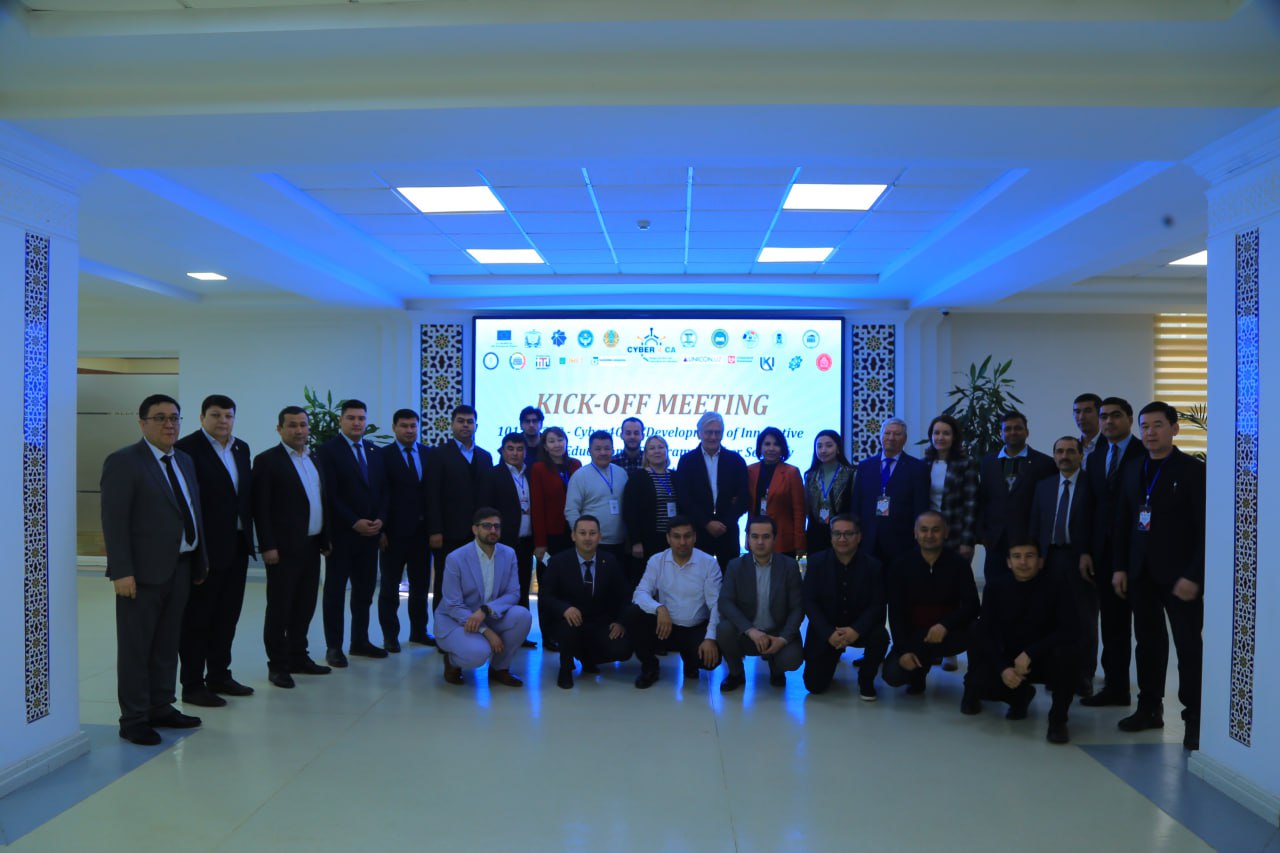
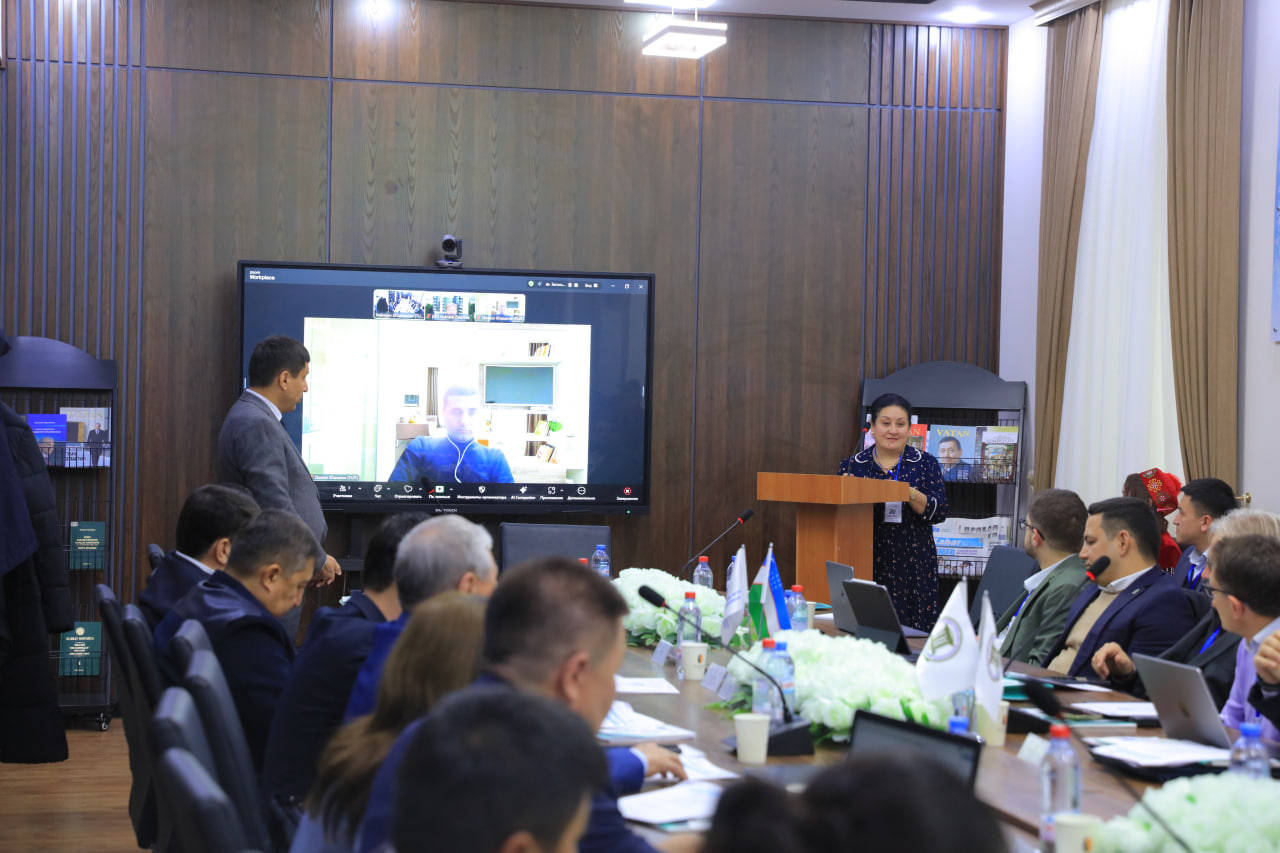
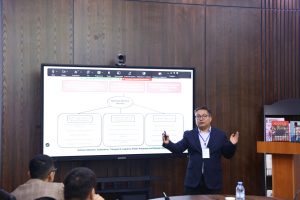
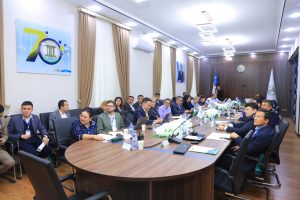
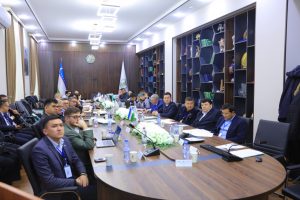
    On 11 December 2025, the National University of Uzbekistan hosted the Cyber4CA Workshop on Curriculum Development within the framework of the Erasmus+ KA2 project.

    The event brought together representatives of higher education institutions, ministries, and non-academic partners from Central Asia and Europe as part of the third day of the Cyber4CA kick-off activities.

    Key areas addressed during the workshop included:

    • Presentation of institutional experiences in cybersecurity education

    • Discussion of the Cyber4CA curriculum design and structure

    • Alignment of graduate programs with industry and public sector needs

    • Exchange of best practices between Central Asian and European partners

    The workshop represented an important milestone in the project, reinforcing cooperation between academia, public authorities, and non-academic stakeholders. Overall, the kick-off events highlighted the shared commitment of all partners to strengthening cybersecurity education, enhancing graduate employability, and fostering international academic collaboration across Central Asia.

  • Cyber4CA Project Successfully Launched at TUIT!

    Cyber4CA Project Successfully Launched at TUIT!

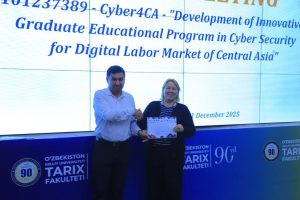
    The Erasmus+ Capacity Building in Higher Education (CBHE) project Cyber4CA – Development of Innovative Graduate Educational Program in Cyber Security for the Digital Labor Market of Central Asia was successfully launched with its official kick-off events held on 9–11 December 2025 in Tashkent, Uzbekistan.

    The opening sessions took place on 9–10 December 2025 at the Tashkent University of Information Technologies (TUIT). The two-day event brought together representatives of higher education institutions, relevant ministries, and industry partners from Uzbekistan, Kazakhstan, Kyrgyzstan, and European Union countries. Participants engaged in intensive academic discussions and strategic planning aimed at shaping the future of cybersecurity education in Central Asia.

    During the opening sessions, consortium members conducted key academic and organizational meetings, defined project governance structures, and discussed the overall roadmap for project implementation. These activities laid a strong foundation for the successful execution of Cyber4CA’s planned initiatives.

  • Tender Results: Development of Cyber4CA Project Website

    Tender Results: Development of Cyber4CA Project Website

    On November 1, 2025, the University of Management and Future Technologies (UMFT) announced a tender for the development of the official website of the Cyber4CA project titled “Developing an Innovative Master’s Degree in Cybersecurity for the Digital Labour Market of Central Asia”, which is funded by the European Union’s ERASMUS+ program.

    By the submission deadline of November 20, 2025, UMFT received four commercial offers for the website development from the following companies:

    1. Activemedia Solutions Ltd

    2. TESLAPRO Ltd

    3. DataHub Ltd

    4. GLOBAL SOFTLINE GROUP Ltd


    Evaluation and Award of the Contract

    The evaluation and award of the contract will be based on the following selection criteria:

    1. Compliance with Specifications: The tender that meets all of the project specifications and requirements, and offers the most competitive price, will be selected.

    2. Capacity to Perform the Contract: The tenderer must have the necessary economic, financial, technical, and professional capacity to complete the contract successfully.

    Award Criteria

    The award of the contract will be given to the tenderer offering the best quality and price ratio, following the “best value for money” principle. The selected tenderer will be required to:

    • Fully comply with the tender specifications, including the bill of quantities and technical specifications.

    • Provide all practical and technical information related to the developed website.

    The contract will be awarded to the tenderer whose proposal complies with the invitation to tender. The evaluation method will ensure that the best value for money is achieved, considering both the quality and price of the proposals.


    Tender Results

    After the evaluation of all submitted tenders, TESLAPRO Ltd (T2) was selected as the winning bidder. They offered the lowest price and met all the necessary evaluation criteria outlined in the tender document. Therefore, TESLAPRO Ltd (T2) has been chosen as the official contractor for the development of the Cyber4CA project website.

    In case of any issues or refusal from the winning bidder, DataHub Ltd (T3) will act as a backup option.


    Notification of Tender Results

    The tender results will be communicated to all bidders (T1-T4) via email. Further steps regarding contract preparation and negotiation will be conducted with TESLAPRO Ltd (T2).

  • Tender Notice: Development of Cyber4CA Project Website

    Tender Notice: Development of Cyber4CA Project Website

    The University of Management and Future Technologies hereby announces a tender for the development of the official website for the Cyber4CA project.

    We invite qualified and experienced web development companies to submit proposals for the creation of a comprehensive website to support the Cyber4CA project. Detailed technical specifications are provided in Annex 2 of the main tender document.


    About the Cyber4CA Project

    The Cyber4CA: Development of Innovative Graduate Educational Program in Cyber Security for Digital Labor Market of Central Asia project (Project number: 101237389 – Cyber4CA – ERASMUS-EDU-2025-CBHE) is an Erasmus+ funded capacity-building initiative. This three-year international project aims to advance higher education in cybersecurity across Central Asia, in line with EU best practices and the Bologna Process.

    The primary objective of the Cyber4CA project is to design and implement an innovative graduate program in cybersecurity that meets the needs of the evolving digital labor market in Central Asia. Through this initiative, the project will establish Cybersecurity Graduate Programs that will provide highly qualified specialists with the knowledge and skills necessary to contribute to the region’s digital economy and security infrastructure.

    The website being tendered will serve as the primary communication and information-sharing platform for the project, ensuring effective dissemination of updates, results, and educational resources related to cybersecurity and the digital transformation of higher education in the region.


    Invitation for Tender

    The University of Management and Future Technologies invites proposals for the development of the Cyber4CA project website, in accordance with the project’s objectives and the following key requirements:

    • Development of a responsive, user-friendly, and accessible website that reflects the core goals of the Cyber4CA project.

    • Integration with existing digital platforms to support ongoing project activities, including curriculum development, academic exchanges, and industry collaborations.

    • Compliance with EU guidelines on accessibility and user experience, particularly for academic and professional audiences.

    • Content management system (CMS) to allow easy updates and maintenance by project administrators.

    For further details on technical specifications and deliverables, please refer to Annex 2 in the tender documents.


    Submission Requirements

    Interested parties must submit the following:

    1. A technical proposal detailing the approach to website design and development, including timelines, milestones, and strategies for integration.

    2. A financial proposal outlining costs associated with the development and maintenance of the website.

    3. Evidence of relevant experience, including previous similar projects, along with reference contacts.

    4. A detailed project timeline from initiation to the delivery and deployment of the website.

    Tenders should be submitted in English by email to cyber4ca@gmail.com no later than 20.11.2025 (Tashkent local time).


    Tender Documents

    Please find the detailed tender documents, including the technical specifications and submission guidelines, in the link below:

    Download Tender Documents

    For any inquiries regarding the tender process, please contact:

    Contact Person: Dr. Utkir Khamdamov
    Email: utkir.hamdamov@mail.ru

    Phone: +998 94 696 01 06

    We look forward to receiving your proposals and working together to develop a robust online presence for the Cyber4CA project.

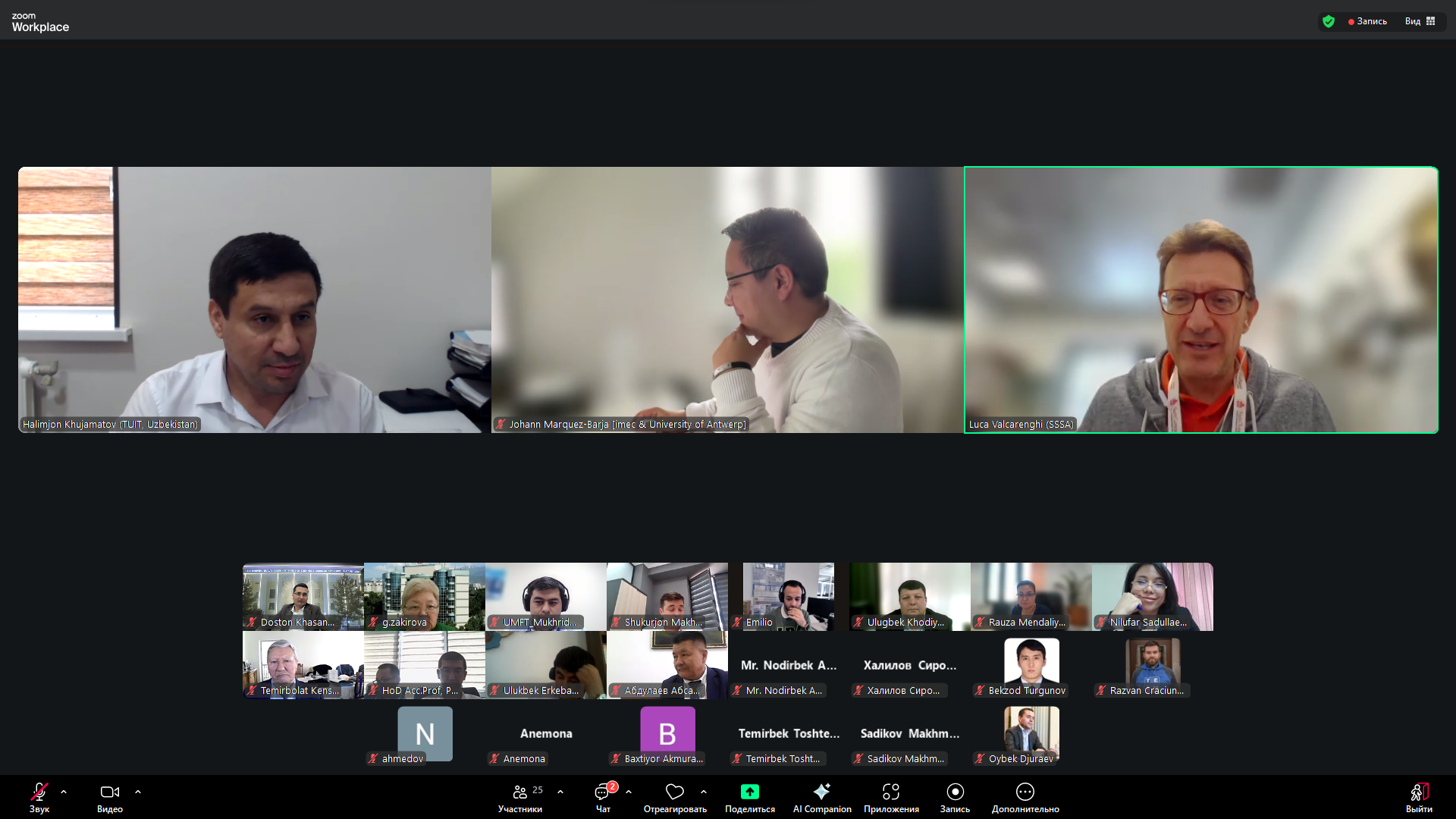
  • Successful First Online Meeting of the Erasmus+ Cyber4CA Project

    Successful First Online Meeting of the Erasmus+ Cyber4CA Project

    Cyber4CA – Strengthening Cybersecurity Education in Central Asia

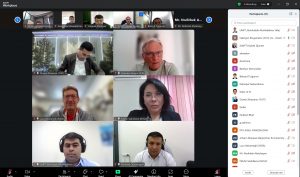
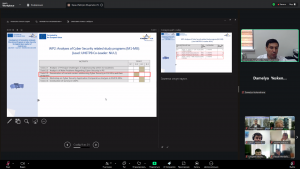
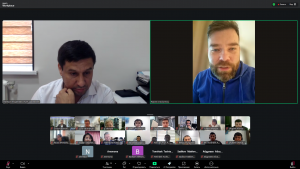
    On October 8, 2025, the first online meeting of the Erasmus+ Cyber4CA (Cybersecurity for Central Asia) project was successfully held, marking an important milestone in the region’s cybersecurity education initiative. This meeting brought together representatives from universities and institutions across EU countries, Uzbekistan, Kazakhstan, and Kyrgyzstan, aiming to enhance the region’s cybersecurity capabilities through collaborative efforts in higher education.

    Project Overview

    The Cyber4CA project is a transformative initiative focused on strengthening cybersecurity education within Central Asia by developing innovative graduate programs, advanced Cybersecurity Centers, and state-of-the-art CyberLabs across partner institutions. The project brings together academia, industry, and public sectors from both Europe and Central Asia to align educational programs with industry needs and tackle pressing cybersecurity challenges.

    Key Discussion Points and Agreements

    During the meeting, the participants discussed several critical aspects related to the development of the project:

    1. Cybersecurity Centers:
      Plans were discussed to establish Cybersecurity Centers at partner universities in Uzbekistan, Kazakhstan, and Kyrgyzstan. These centers will serve as hubs for cybersecurity research, training, and innovation, providing students with hands-on experiences and cutting-edge knowledge in this crucial field.
    2. Modern Academic Modules:
      The development of modern academic modules on emerging topics such as Artificial Intelligence (AI), blockchain technologies, and quantum cryptography was highlighted. These courses will be integrated into the graduate programs, ensuring that students gain expertise in the latest advancements in cybersecurity and digital technologies.
    3. Alignment with Industry Needs:
      One of the major goals of the meeting was to discuss strategies to ensure the cybersecurity education in the region aligns with the current and future needs of the industry. By collaborating with industry partners, the project aims to equip students with the practical skills necessary to address real-world cybersecurity challenges.
    4. Kick-off Meeting 2025 at Tashkent University of Information Technologies (TUIT):
      It was officially agreed that the Kick-off Meeting for the Cyber4CA project in 2025 will be hosted by Tashkent University of Information Technologies (TUIT) in Tashkent, Uzbekistan. This event will bring together all project partners and stakeholders to formally launch the project and set the foundation for upcoming activities.

    Looking Ahead: Strengthening Regional Cooperation

    The online meeting emphasized the significance of this collaboration in fostering regional cooperation and enhancing the cybersecurity education ecosystem across Central Asia. By aligning curricula, establishing CyberLabs, and fostering cross-border cooperation, the Cyber4CA project will play a crucial role in advancing cybersecurity capacity and addressing the growing demand for skilled professionals in the field.

    The project’s innovative approach will have a profound impact on the development of graduate programs, the capacity of universities, and the digital transformation of Central Asia. Through a combination of academic excellence, practical training, and industry collaboration, the Cyber4CA project is poised to transform the region’s cybersecurity landscape.


    Key Outcomes:

    • Cybersecurity Centers established in Uzbekistan, Kazakhstan, and Kyrgyzstan

    • Development of academic modules on AI, blockchain, and quantum cryptography

    • Alignment of graduate programs with industry needs for a competitive digital labor market

    • Kick-off Meeting to be held in Tashkent, Uzbekistan in 2025 to formally launch the project

    Next Steps:

    • Development of detailed curricula and CyberLabs at partner institutions

    • Collaboration with industry leaders to ensure real-world relevance

    • Finalizing the framework for the regional cybersecurity centers and training programs

    Stay tuned for further updates as the Cyber4CA project progresses toward enhancing cybersecurity education in Central Asia.